Revisiting Design History Before the Bauhaus

Revolution Gender Design Award iphiGenia 2025
The period preceding the Bauhaus and the significance of ‘applied arts’ have long been overlooked in German design historiography. While the achievements of male designers are well documented, even the most fragmentary information about women designers often demands extensive research. With UN/SEEN, the Gutenberg Design Lab at Mainz University of Applied Sciences is now closing this gap and focusing on women in graphic design between 1865 and 1919.
For several years, courses at the Gutenberg Design Lab have focused on the societal relevance of design. Design scholars there explore questions of discrimination and intersectionality, engaging in an intensive discourse on gender and design – particularly within graphic design. “For the sake of this discussion, it’s vital to understand the origins of design,” explain the project’s initiators.
Rarely are historical research and contemporary design practice as closely intertwined as in UN/SEEN. In their archival investigations, the researchers discovered a striking void: although there were influential women working in graphic design at the time, their contributions have remained largely invisible.
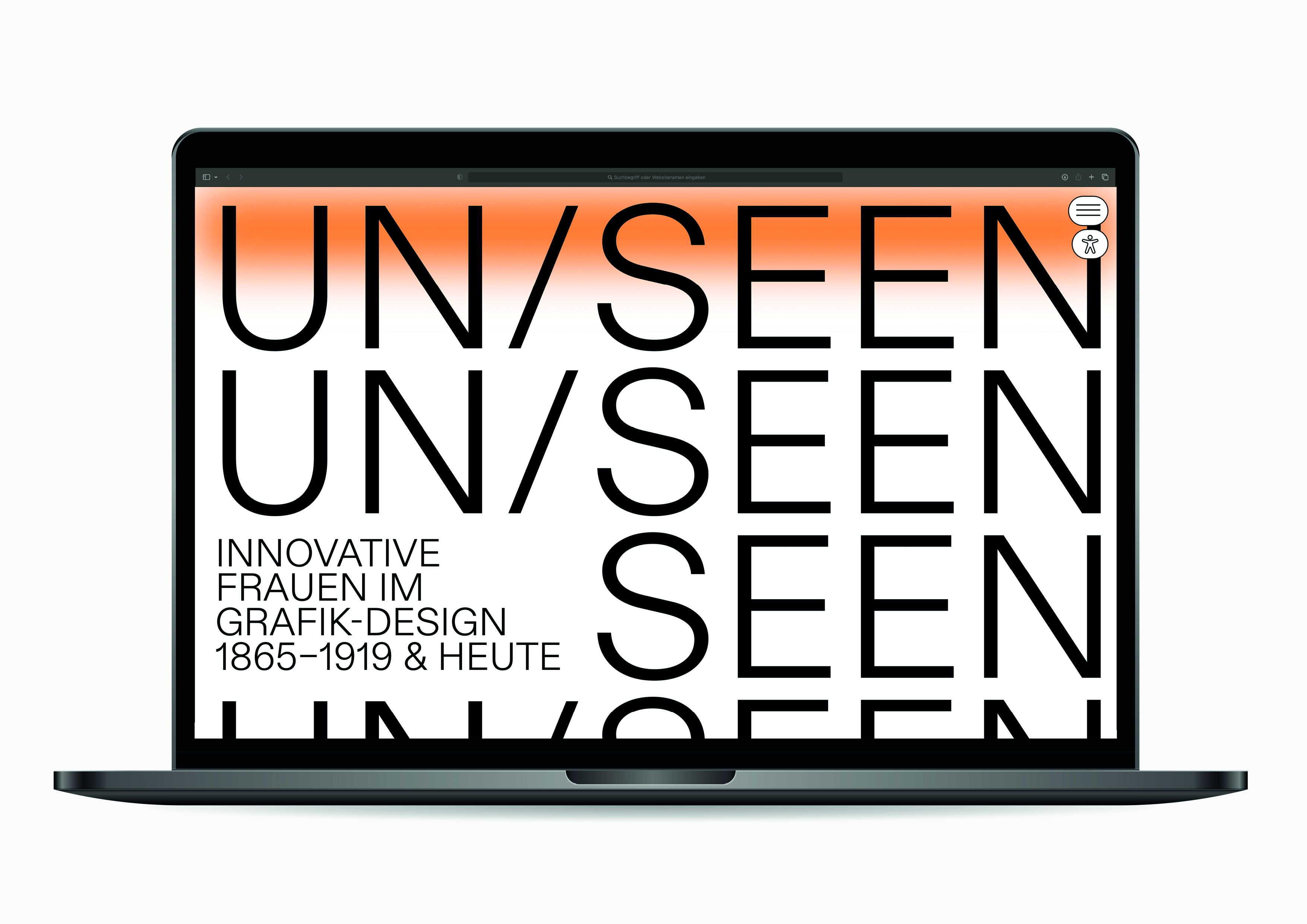
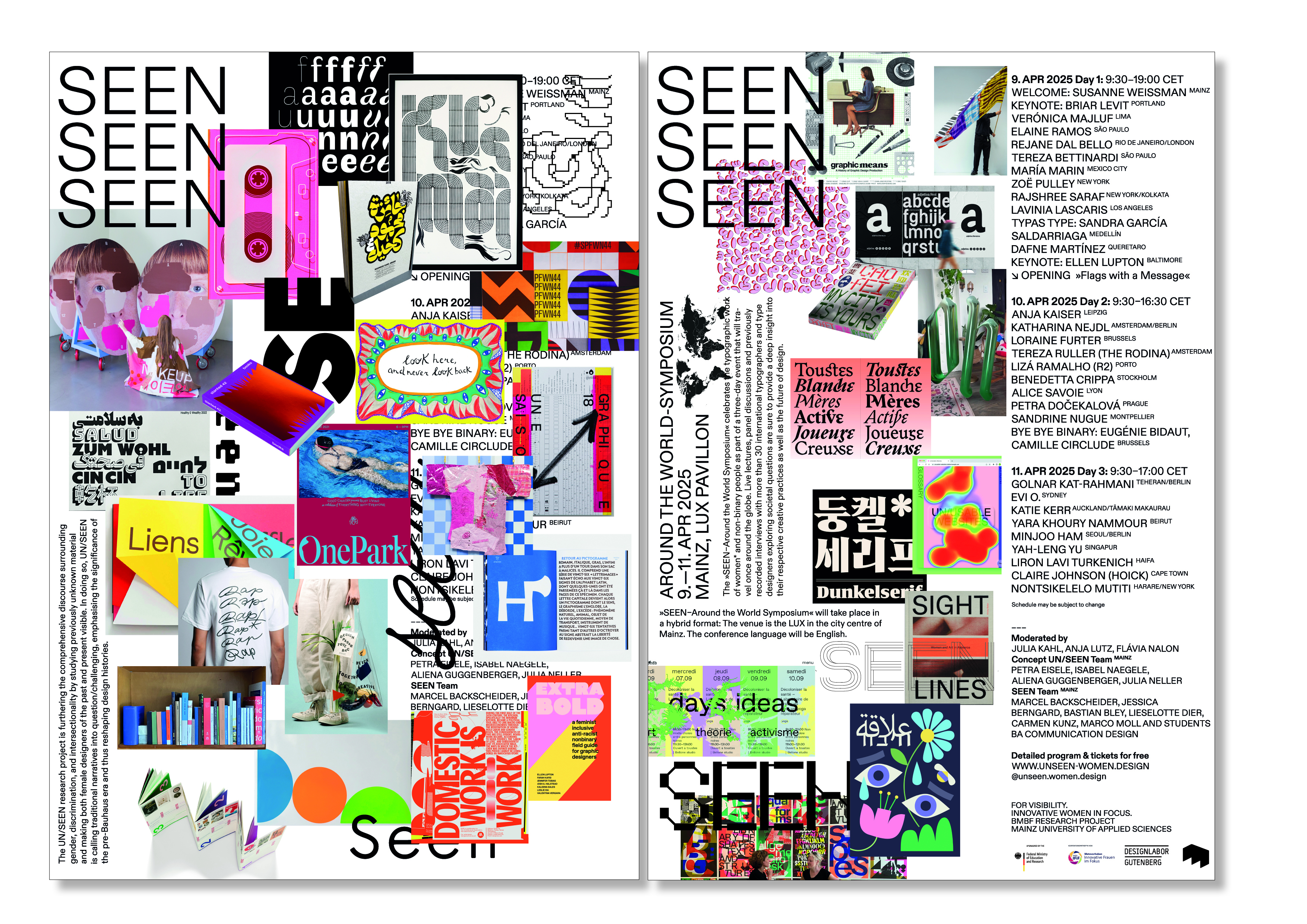
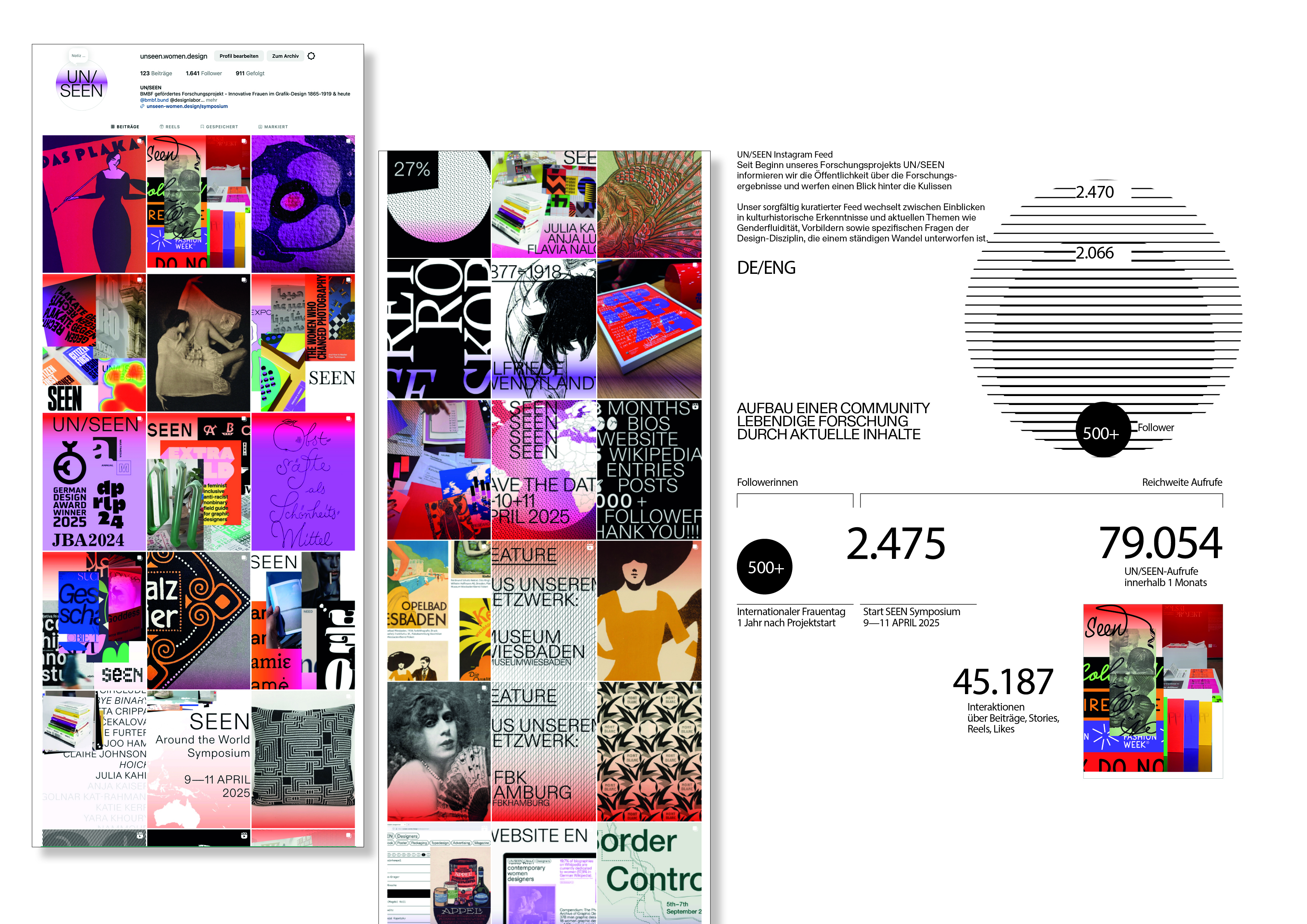
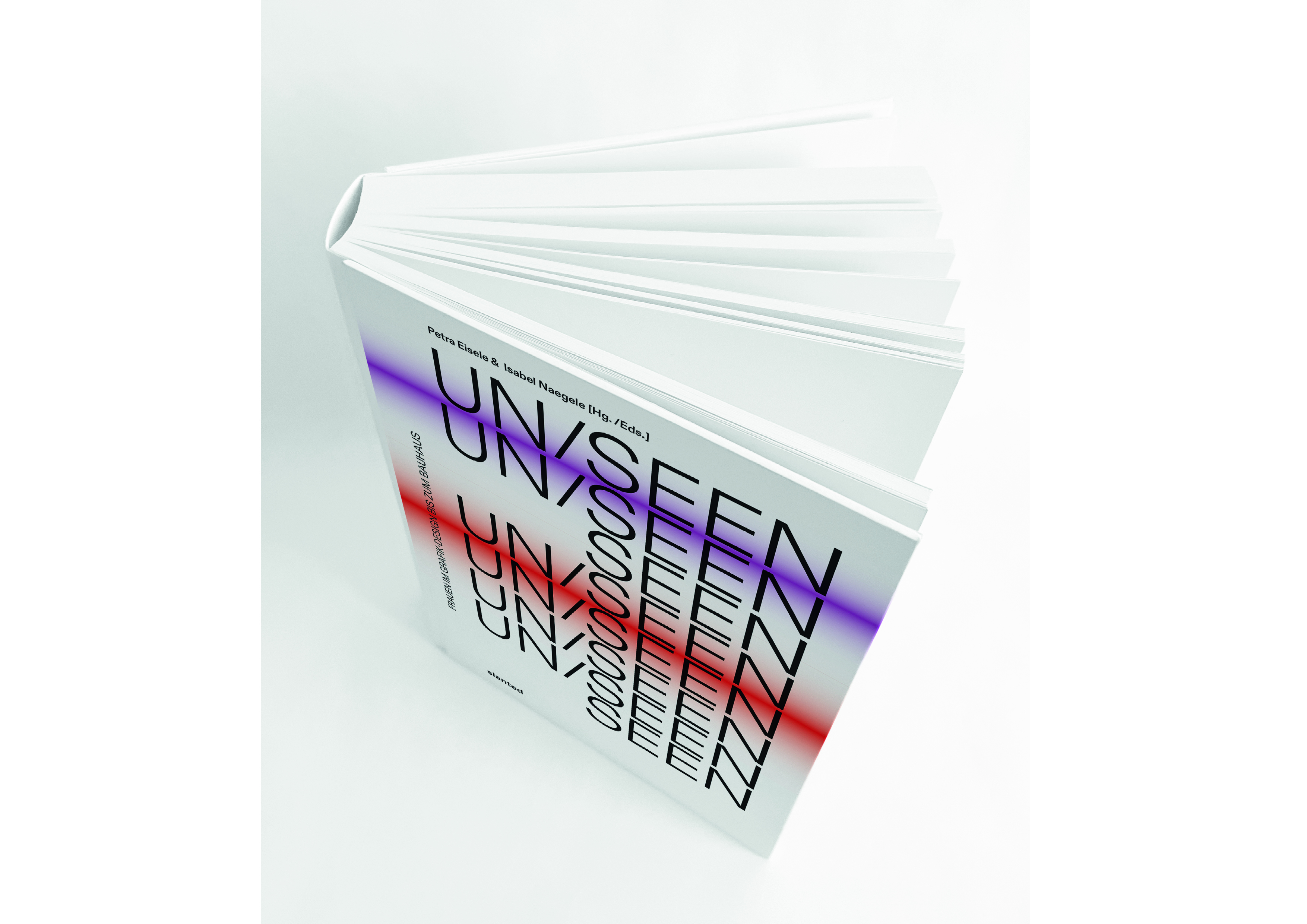
As a consequence of this realisation, UN/SEEN emerged. Previously forgotten women designers are being brought back into view – for example through archival work and the expansion of Wikipedia entries. The UN/SEEN platform documents the work of numerous women designers. Through a symposium and collaborations with contemporary typographers, the team led by Prof. Dr Isabel Naegele and Prof. Dr Petra Eisele creates new ways of engaging with design history while connecting these insights to current debates on equality and visibility in design.
This project powerfully demonstrates how essential a comprehensive historical perspective is to shaping a sustainable future – and how closely past and present are interwoven within the field of design.