Blind spot and bias: Has equality already been achieved?
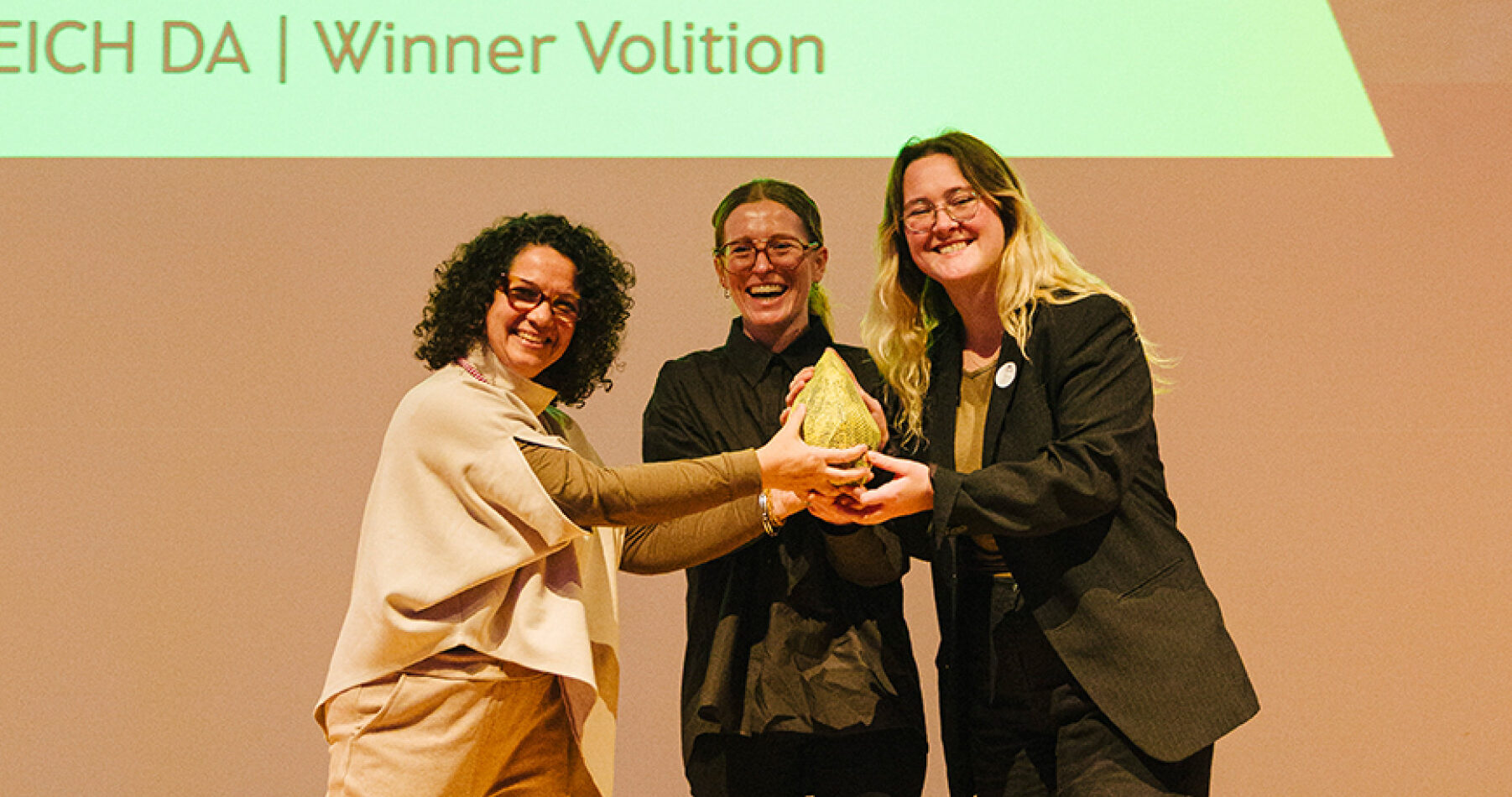
Vollition Gender Design Award iphiGenia 2025
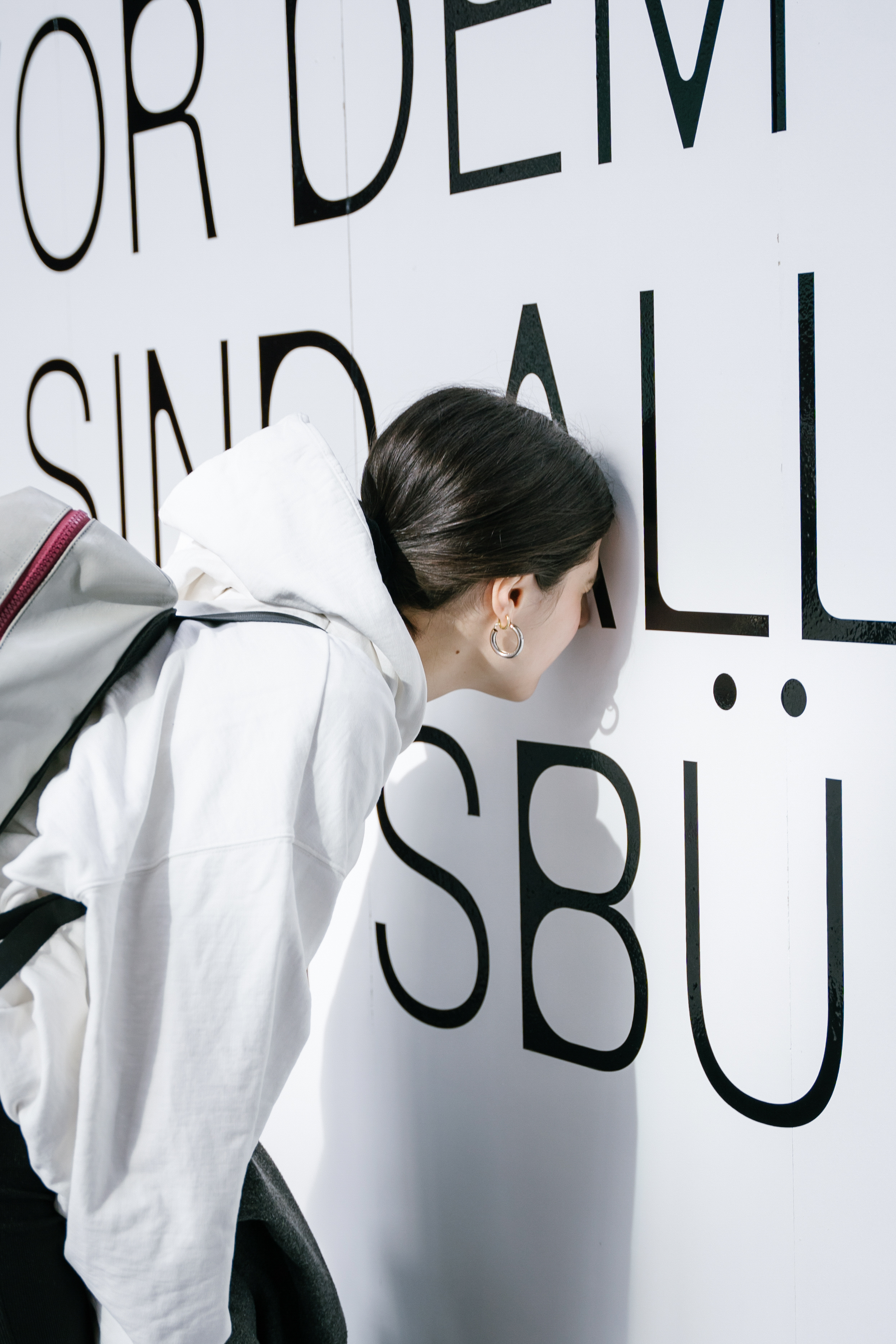
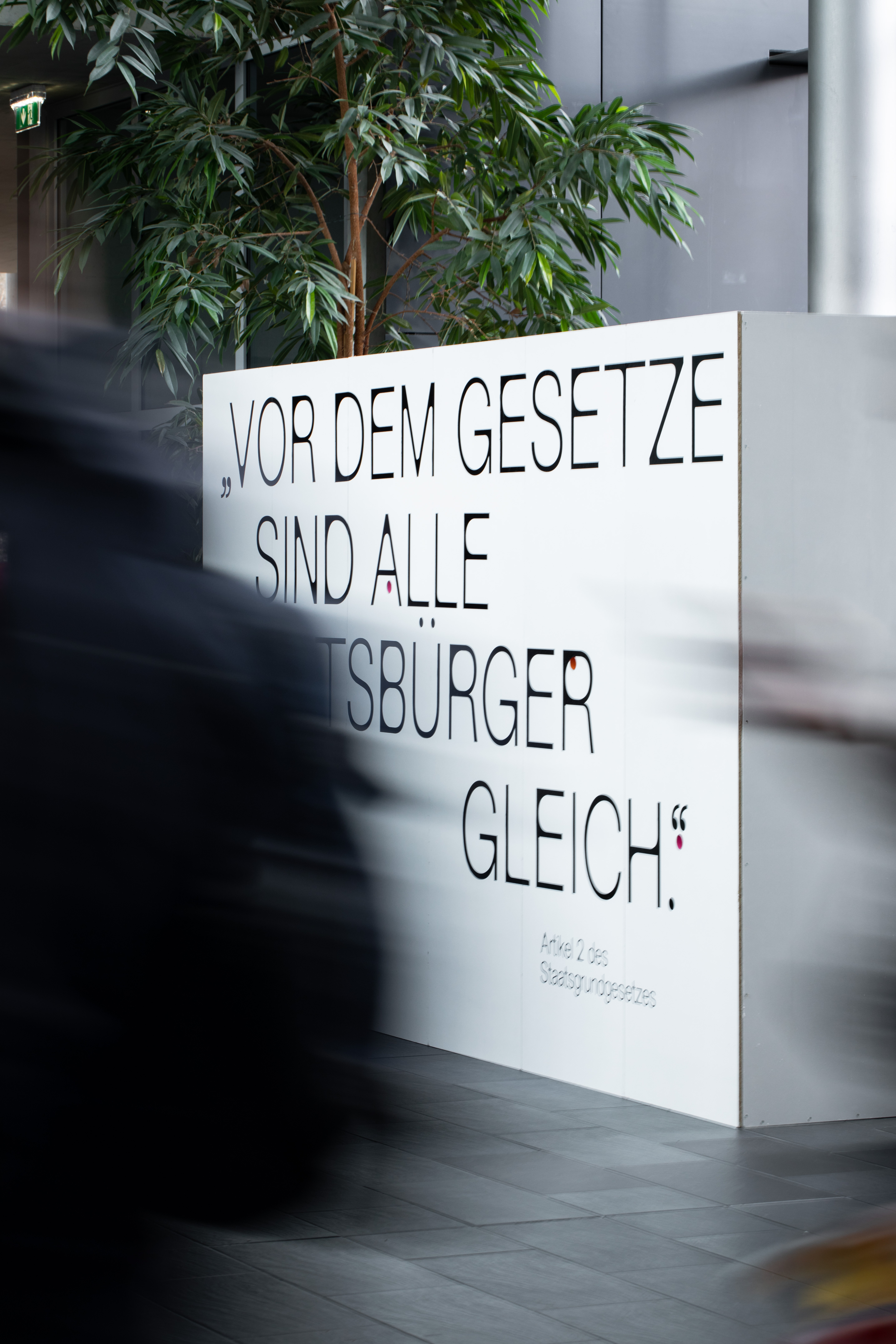
The title of the exhibition SIND GLEICH DA (nearly there) refers to a German phrase used by parents when trying to delay their children’s impatience. In their Bachelor thesis, Jana C. Rowenski and Magdalena Jo Umkehrer (Salzburg University of Applied Sciences) set out to build a deeper understanding of the social construction of motherhood and the roles associated with it. The designers describe their work as feminist intervention design — asking the question: Equality – are we really nearly there? They chose the title as a metaphor for society’s attitude to gender equality.
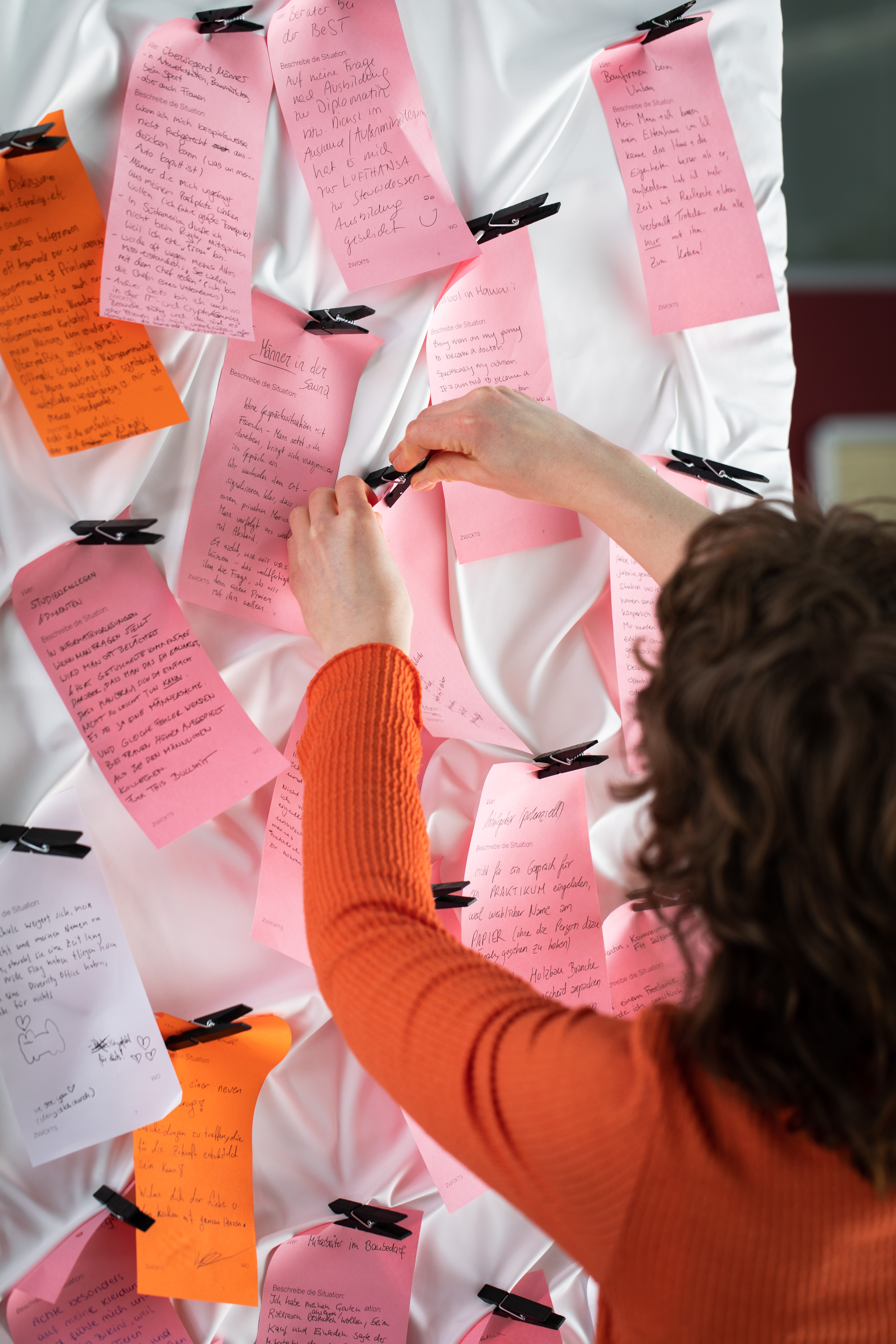
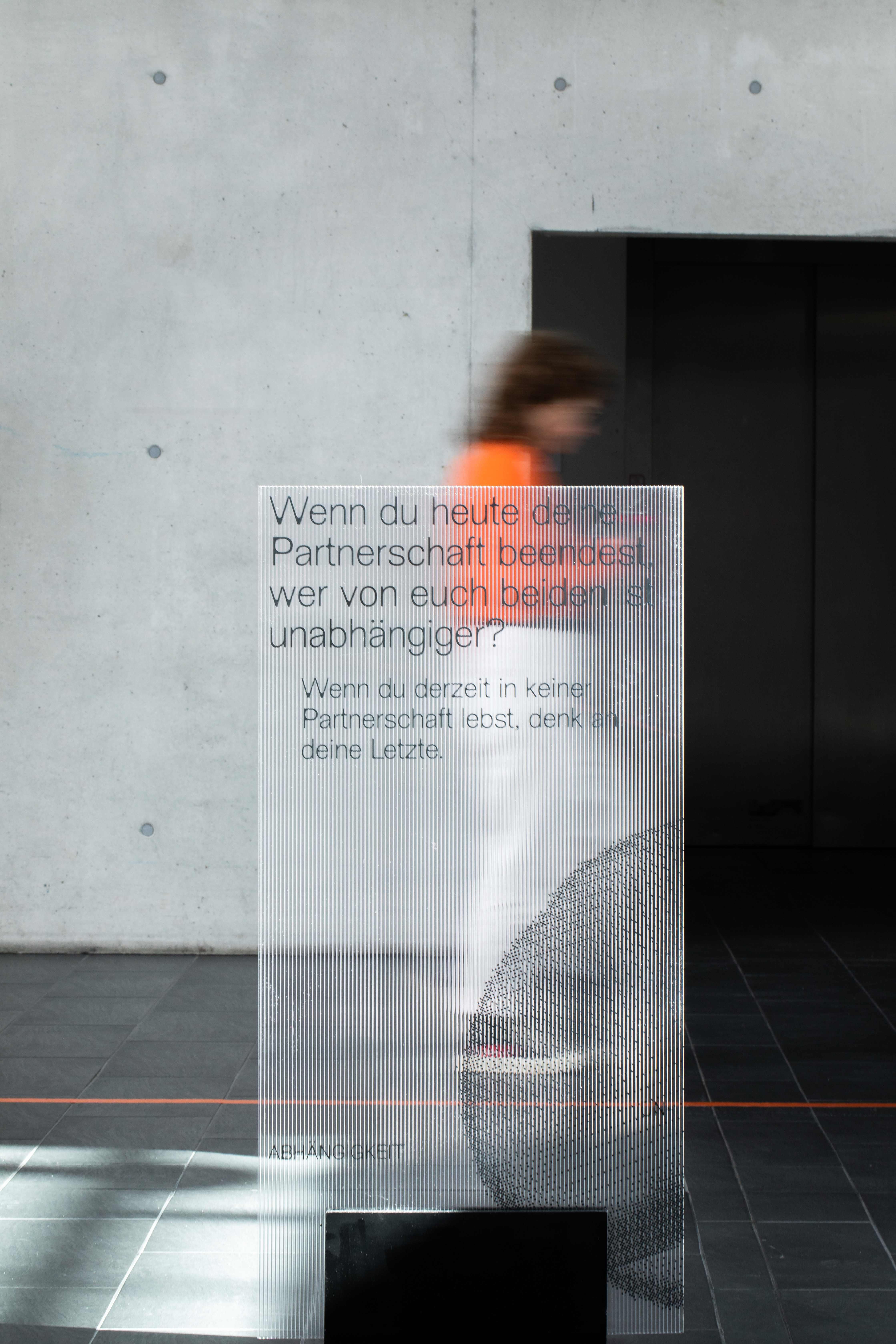
At eight different presentation points and by specific questions visitors are encouraged to actively engage with the exhibition. Through the visualisation and sensory translation of their responses, thus data, the visitors become part of this interactive exhibition. These eight exhibits form the core of the feminist intervention, which focuses on partnership, gender bias, work and everyday life. The questions that involve visitors with the exhibition are designed to give participants a deeper understanding of how gender stereotypes shape their own lives.
‘We already have the same rights.’ That’s what women and men believe. But is it true? The interactive data visualisations refute this widespread assumption. In our society, women are still systematically disadvantaged – through data gaps, sexual harassment and stereotypical gender roles at home and at work. The exhibition highlights the blind spots of equality: the everyday, hidden forms of behaviour that reproduce gender stereotypes, perpetuate gender bias and influence our future.
The jury was impressed by this project on account of its transformative character in which the invisible care work in our societies becomes tangible as a visual and sensory experience that is activated through the direct participation of every single visitor. In contemporary design – and specifically within gender design – Rowenski and Umkehrer have also achieved an exceptional quality in the visualisation of data in this student project. Colours, shapes, lines, points, volumes, surfaces and scale – the fundamental elements of visual communication – are deployed in a refined and poetic way to expose the blind spots that continue to exist within the supposed equality of the genders.