
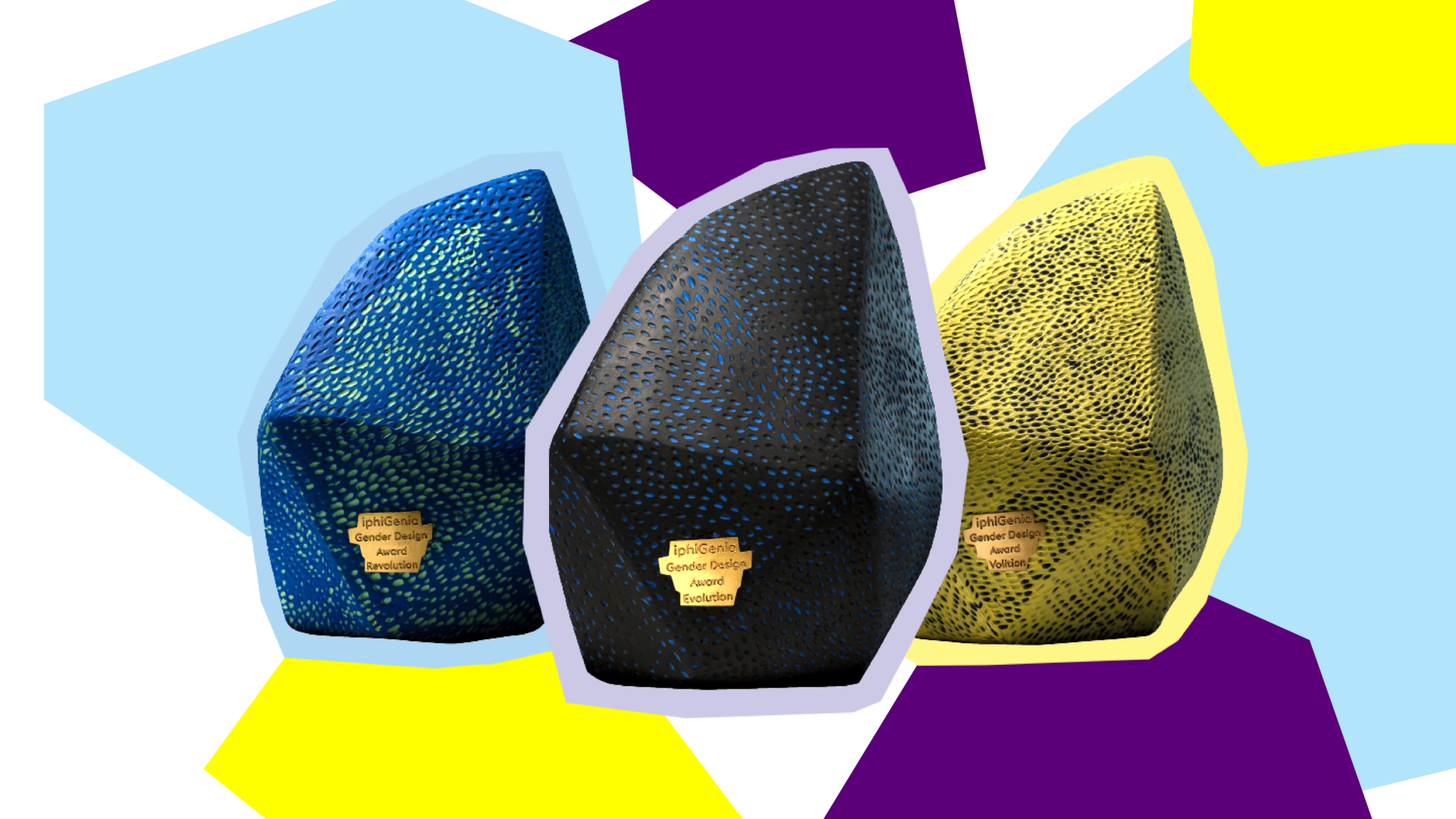
Falling in Love with all Genders: Exhibition
9.–11.2026 Museum Angewandte Kunst Frankfurt

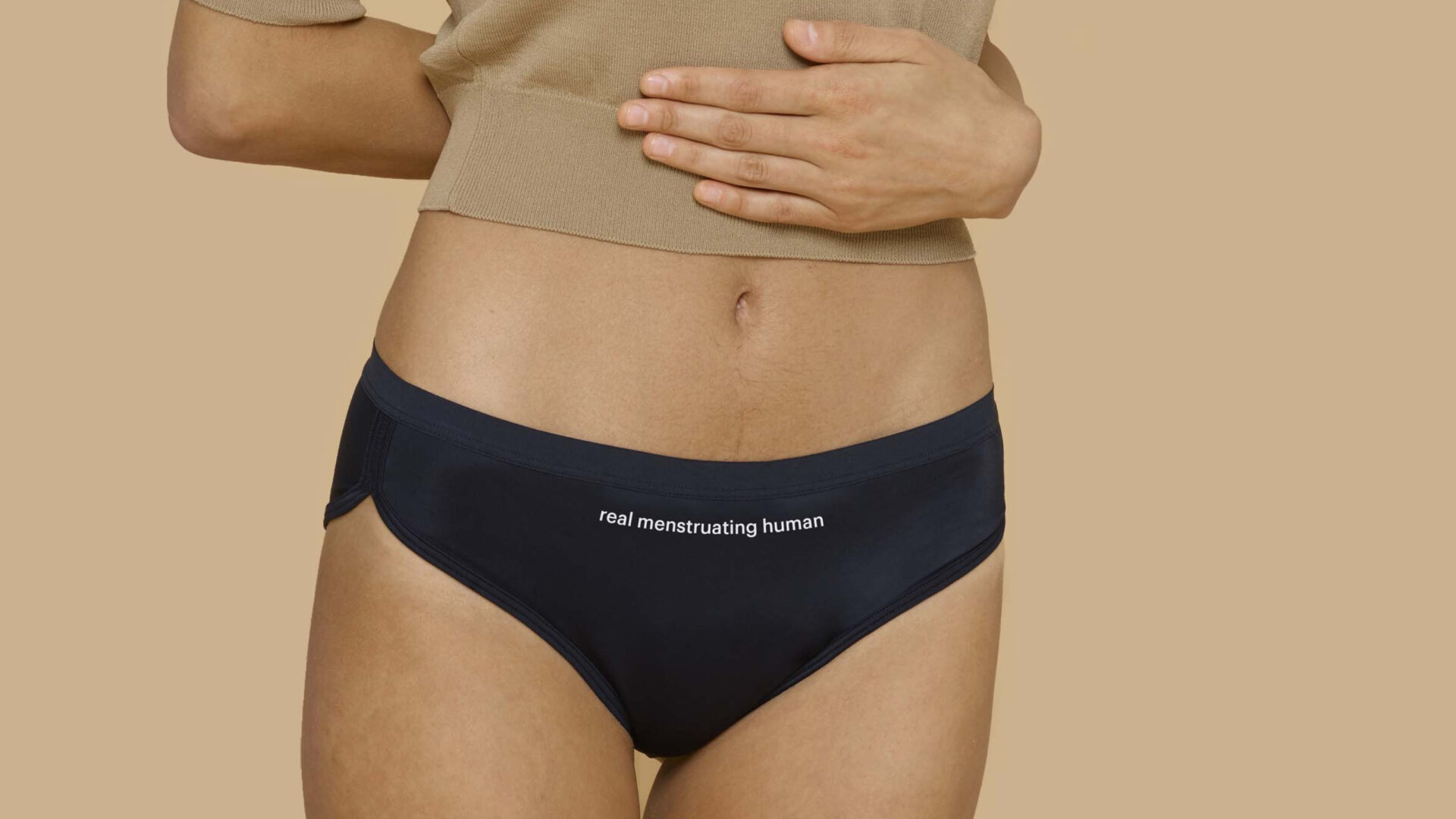
© THINX
Winner | 2017 | Evolution
THINX: Empowerment through functional and inclusive design
THINX, founded in 2011 and the recipient of several business awards, develops and manufactures innovative menstrual underwear as a hassle-free alternative to traditional products. The company consciously focuses on education and self-confidence rather than shame—especially for young girls. This commitment is underscored by the “Global Girls Club” foundation, which empowers and educates girls and women, particularly in Africa, and combats shame in the context of women’s health. THINX meets all criteria for the iphiGenia Gender Design Award “Evolution”: A company for "real menstruating humans", whose products, brand identity, and communication are uncompromisingly gender-sensitive, socially conscious, sustainable, and at the same time innovative and excellently designed. The entire brand identity is empathetic, cohesive, and boldly designed. Its economic success impressively confirms how important smart, gender-sensitive design is for society and the economy.
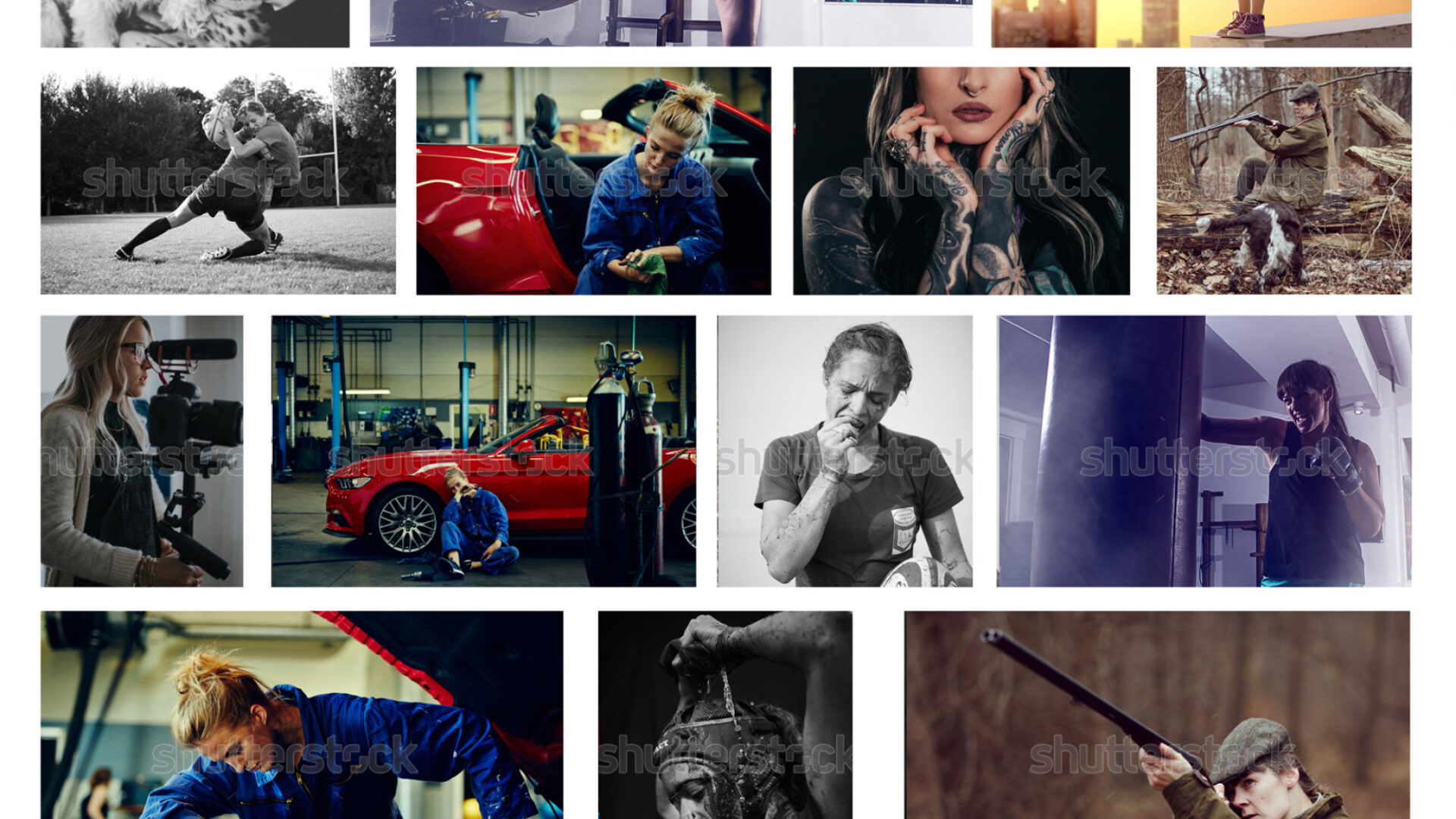
© Mindshare Denmark
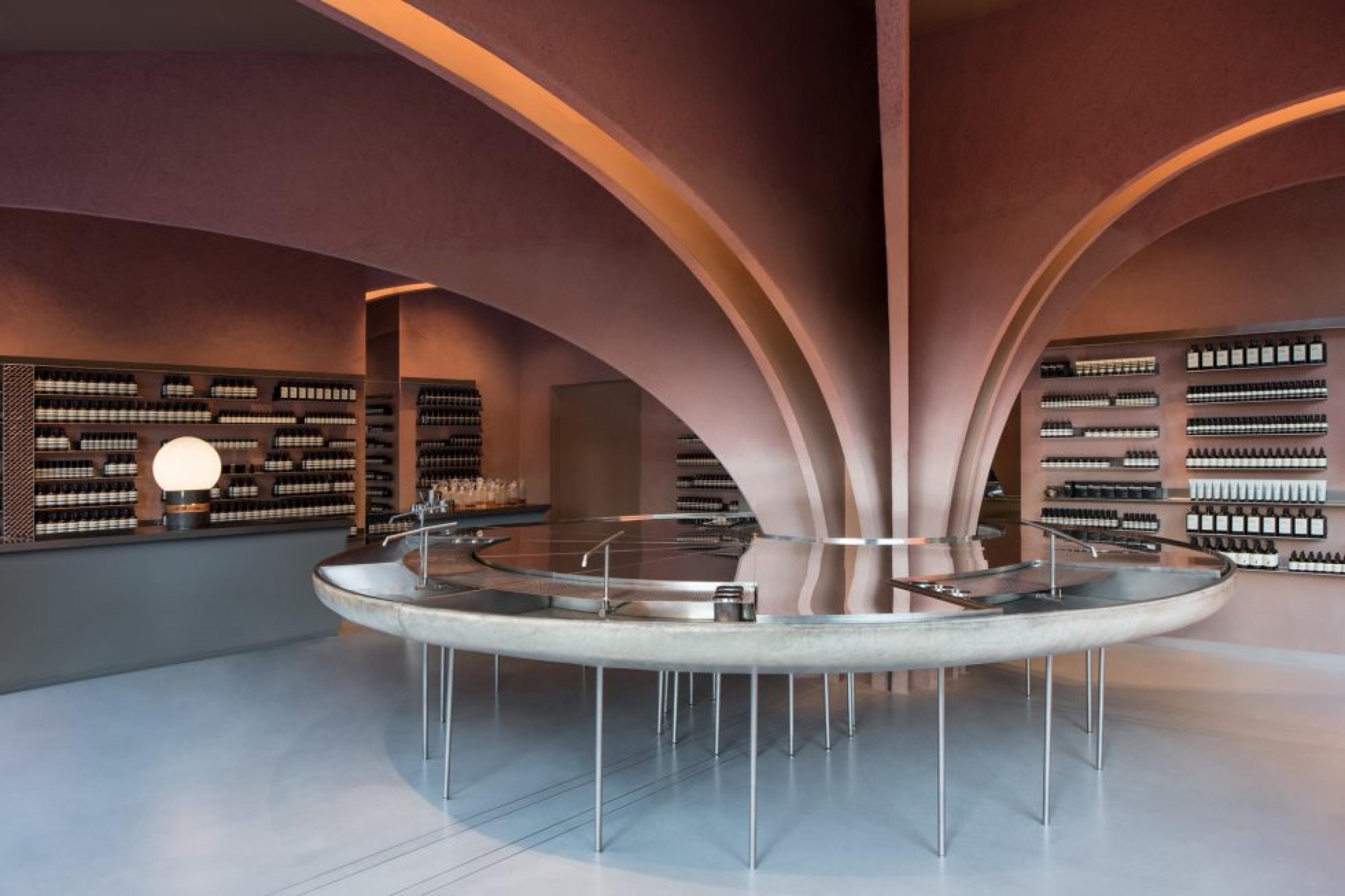
© AESOP
Winner | 2018 | Evolution
Aesop: Design Beyond Clichés
AesopAustraliaAesop combines gender sensitivity, cultural diversity, and social commitment in a consistently designed brand universe. The corporate identity is deliberately aimed at people of different genders and cultural backgrounds and largely avoids stereotypical representations. Instead, the products themselves are at the center of the communication—without gender-specific targeting. This approach is complemented by cultural and literary content as well as collaborations with female authors and architects from various countries. The jury particularly commended the respectful, inclusive, and creatively outstanding implementation, which demonstrates how successfully gender-sensitive design can be combined with cultural openness and social responsibility. For this, Aesop was awarded the iphiGenia Gender Design Award in the “Evolution” category.
© notamuse
Winner | 2018 | Volition
notamuse: Visibility for Women in Graphic Design
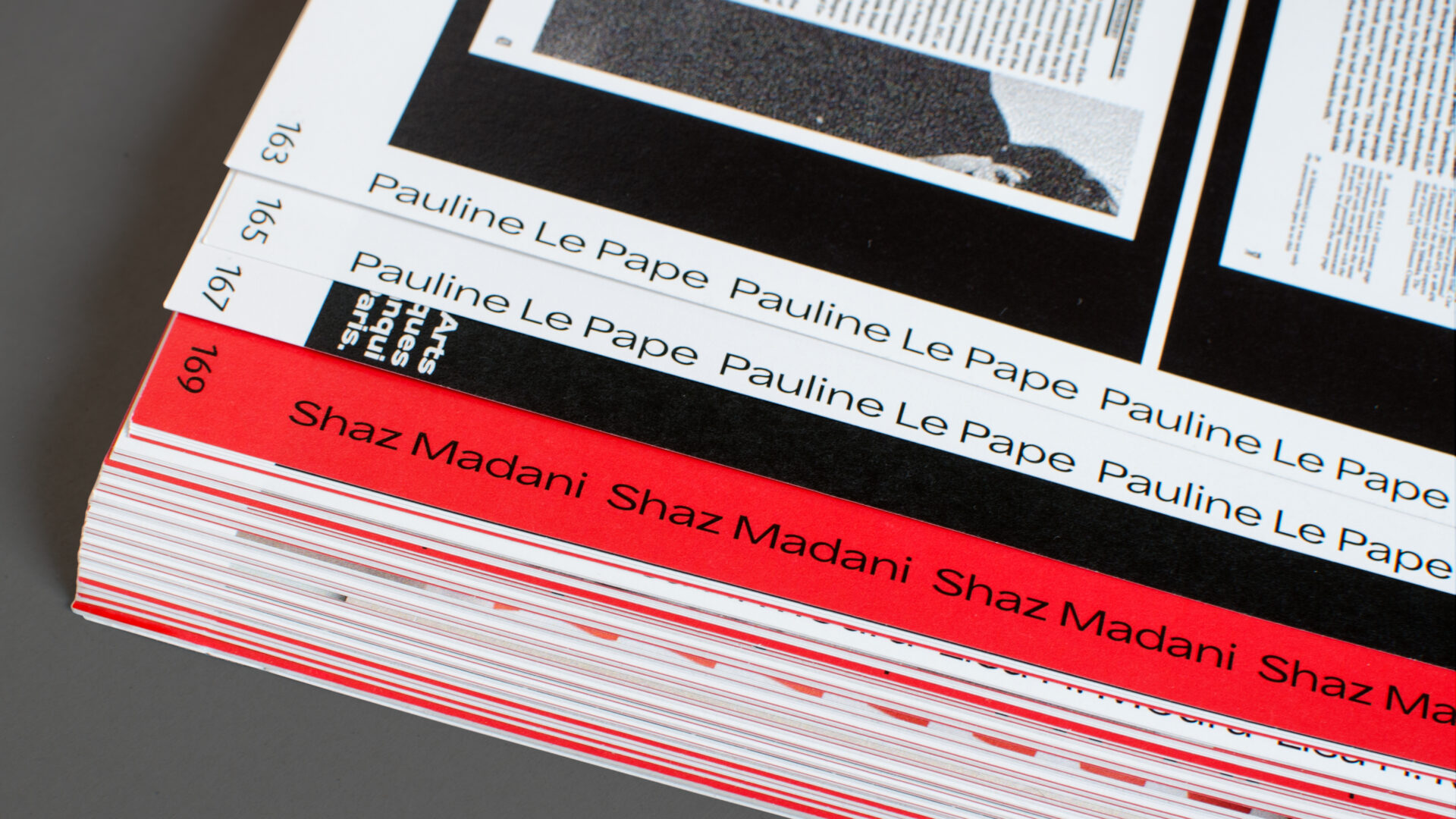
With notamuse, the award winners are countering the male-dominated design discourse with their own platform and increasing the visibility of women in graphic design. The project includes a book featuring over 40 female designers from Europe, as well as a reader and a website with interviews from the fields of design, sociology, and gender studies. This creates new perspectives and role models for the next generation of designers. The jury was impressed by both the social relevance and the high creative quality of the master’s thesis by Silva Baum, Claudia Scheer, and Lea Sievertsen. Through a clear visual language, precise typography, and striking color palette, notamuse presents women in design as self-assured actors and was honored with the iphiGenia Gender Design Award “Volition” for emerging talent.
notamuse | Silva Baum, Claudia Scheer and Lea Sievertsen | Germany
© Gabriel Maher
Winner | 2019 | Evolution
Gabriel Maher: Deconstruction as a Design Principle
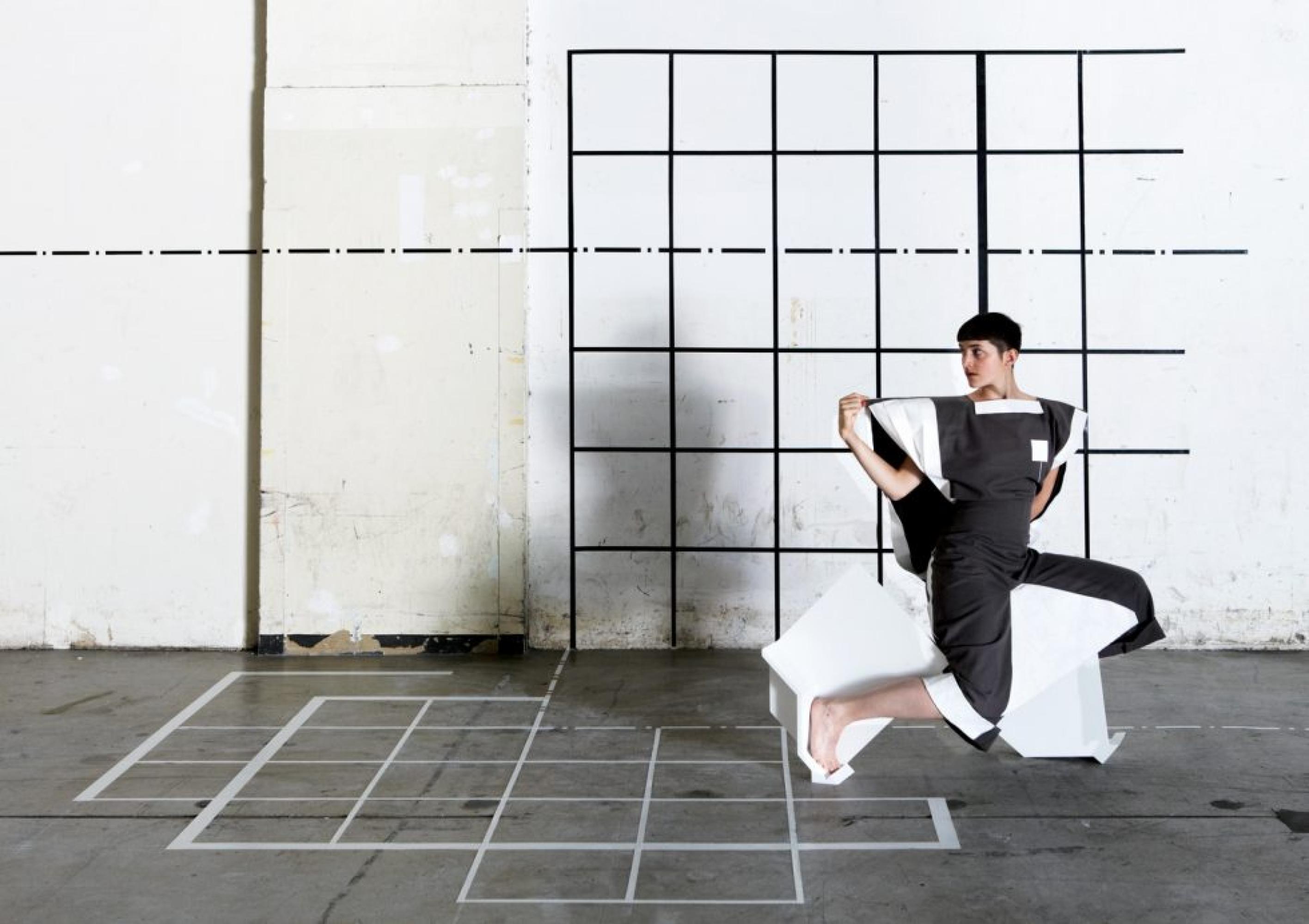
Gabriel Maher focuses on the topic of gender (identity) in design, which is still so often neglected. From this perspective, Maher uncompromisingly and consistently combines diverse presentation formats, both theoretical (lectures, workshops, articles) and practical (performances, installations). In doing so, Maher moves between various design fields such as social design, fashion, and architecture. Gabriel’s method of “Deconstruction (De-sign)” and performative design research lead to highly innovative design outcomes. The works are compelling both methodologically and in their visual and verbal presentation. Gabriel Maher thus makes a central contribution to the education and dissemination of gender-sensitive design and receives the iphiGenia Gender Design Award 2019 both as an individual and for the multidisciplinary project as a whole: an outstanding example of diverse commitment to gender design.
Gabriel Maher | Netherlands
© Imagine
Winner | 2019 | Revolution
IMAGINE: Visibility for Queer Perspectives
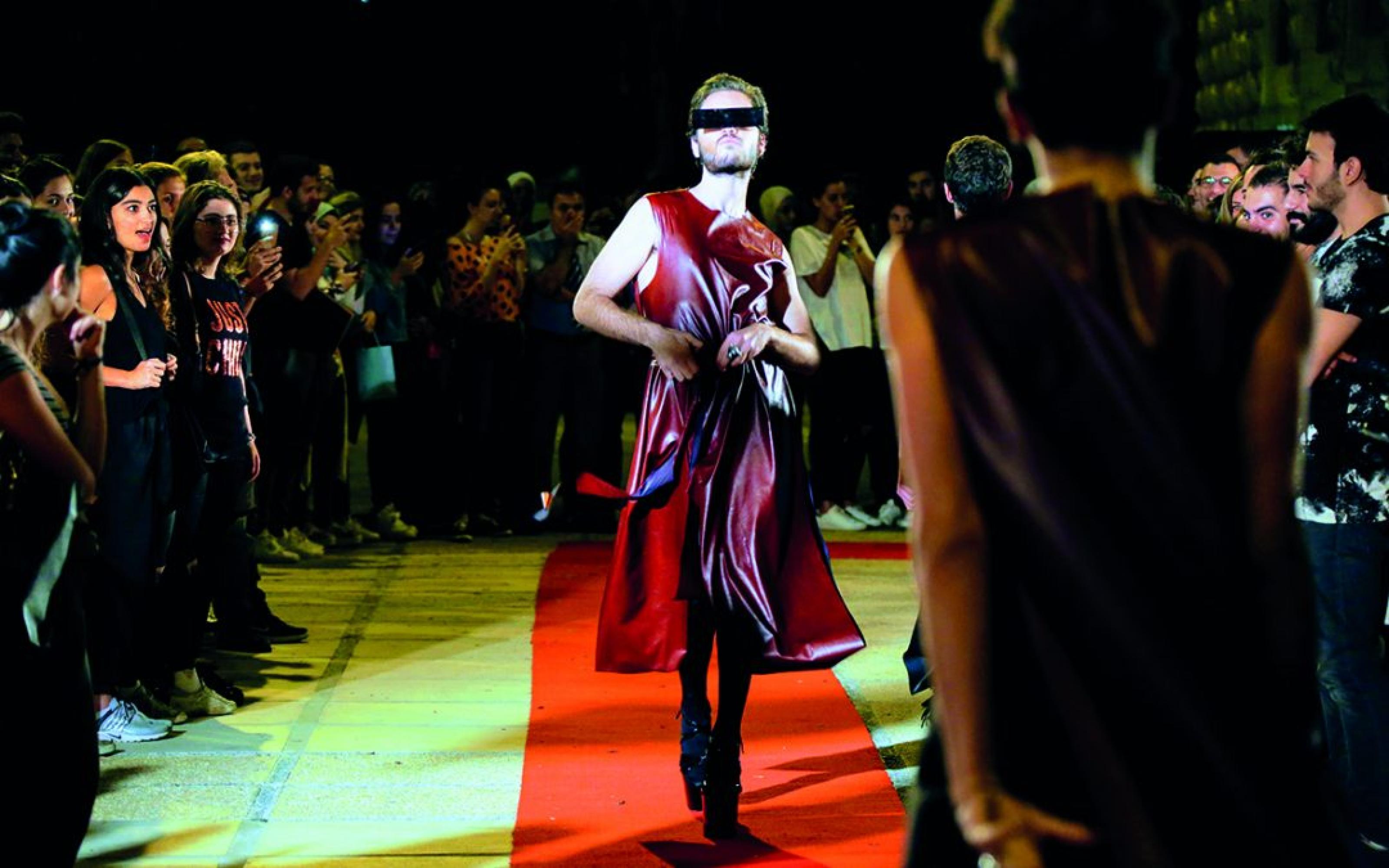
As part of the IMAGINE workshop and concert series at the Lebanese American University (LAU) in Beirut, the event “Reflections,” with its focus on gender justice and human rights, drew particular attention. In addition to music, dance, and theater performances, the event featured the first queer fashion show on a Lebanese university campus. Fashion design student Anis Ezzedine presented a gender-fluid collection worn by students who advocate for the rights of the LGBTQ+ community or identify as queer themselves. Founded by Professor Dr. Seba Ali, the IMAGINE series promotes cultural diversity, artistic freedom of expression, and an open dialogue about art, design, and gender. The jury particularly commended the courage and commitment of all participants, who make an important contribution to the visibility and acceptance of gender diversity and social diversity.
Dr. Seba Ali | Lebanese American University | Lebanon

© Rora Blue
Winner | 2019 | Volition
Rora Blue: From Unsent Love Letters to Gender-Sensitive Design
Designer Rora Blue gained recognition for her participatory project *Unsent Love Letters*, for which she collected and published thousands of anonymous, unsent love letters. In other projects, she has focused on gender-sensitive topics and actively engaged her community. In The Walk, she highlighted the strategies women use to protect themselves from male violence in everyday life, while Handle with Care addresses sexist remarks in a humorous yet powerful way. The jury particularly praised the creative, gender-sensitive, and accessible design of her work. By making personal experiences visible and giving a voice to those affected, Rora Blue strengthens their self-confidence and social visibility
Rora Blue | USA
© Jessica Walsh
Winner | 2021 | Evolution
Jessica Walsh: Creative Networks for Greater Visibility
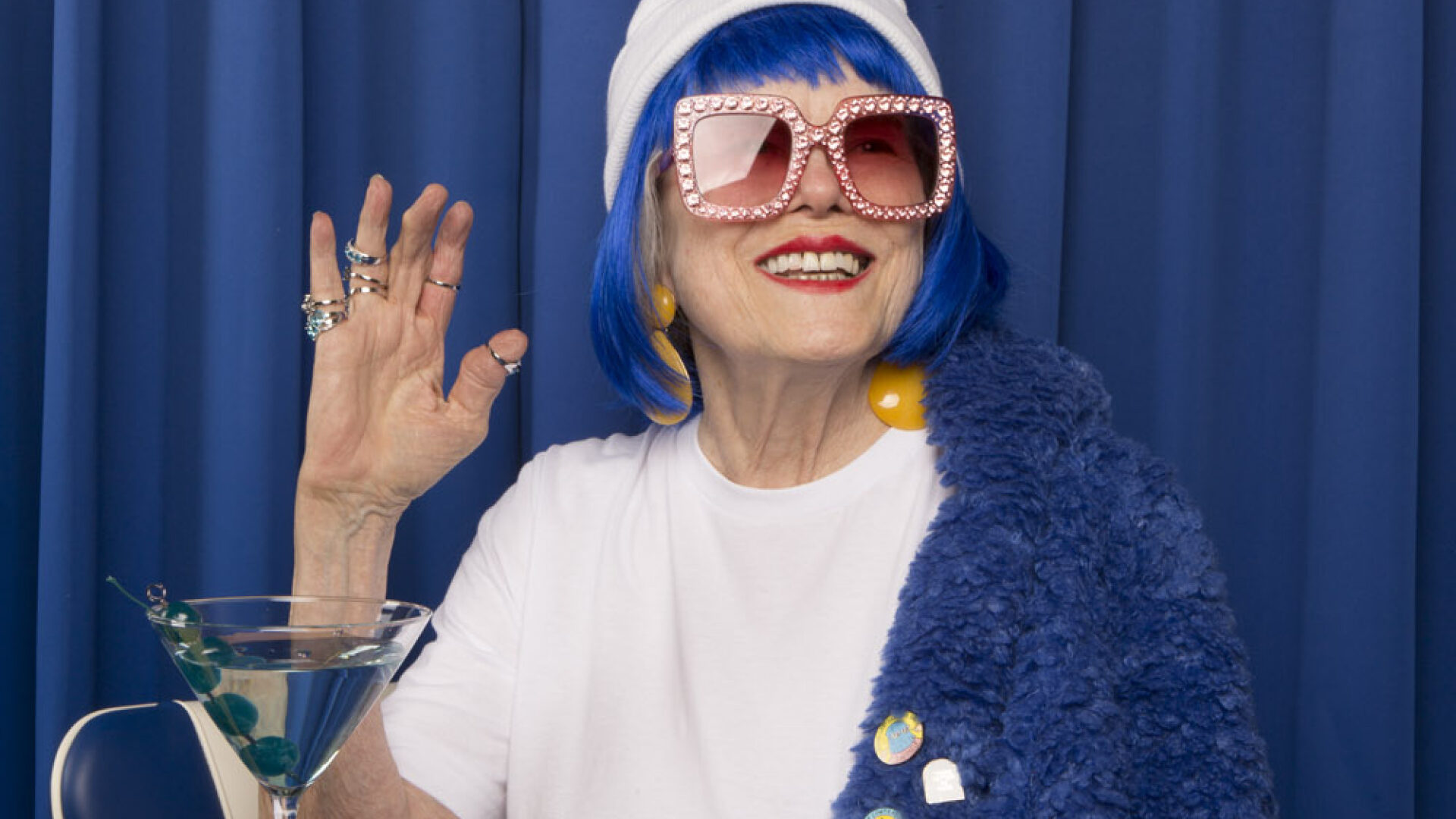
Jessica Walsh impresses not only as a courageous and dedicated entrepreneur, but above all through her creative exploration of social issues and her activism. Her work engages viewers in a playful way—sparked by powerful, sensory design with a subtle sense of humor. A particularly outstanding example of her charisma is her empowerment initiative LadiesWine & Design, which empowers and supports women in 300 cities around the world through mentorship, portfolio consulting, conversations, and creative meetups—Jessica Walsh is a true design star and, as such, a role model and idol for many creative women and non-binary individuals around the world.
Jessica Walsh, & Walsh | USA

© Superrr
Winner | 2021 | Revolution
SUPERRR Lab: Diversity as a Principle for the Future
The jury was impressed by the lab’s visionary overall approach and its built-in gender sensitivity, as well as by the engaging design and communication through which SUPERRR raises and addresses feminist* perspectives on current technological developments and futures. SUPERRR engages with projects ranging from the Feminist Tech Fellowship and the creation of collective discussion spaces—such as the “Virtual Screening Coded Bias”—to fostering a community of women, trans, and non-binary people in art, science, technology, activism, and more. In their own words: “Superrr is playful, visionary, and feminist.” For this reason, the jury believes that SUPERRR is undoubtedly a great asset in promoting the intersection of culture, feminism, and technology within the current discussion on digitalization, gender, and diversity.
SUPERRR | Germany
© Hannah Witte
Winner | 2021 | Volition
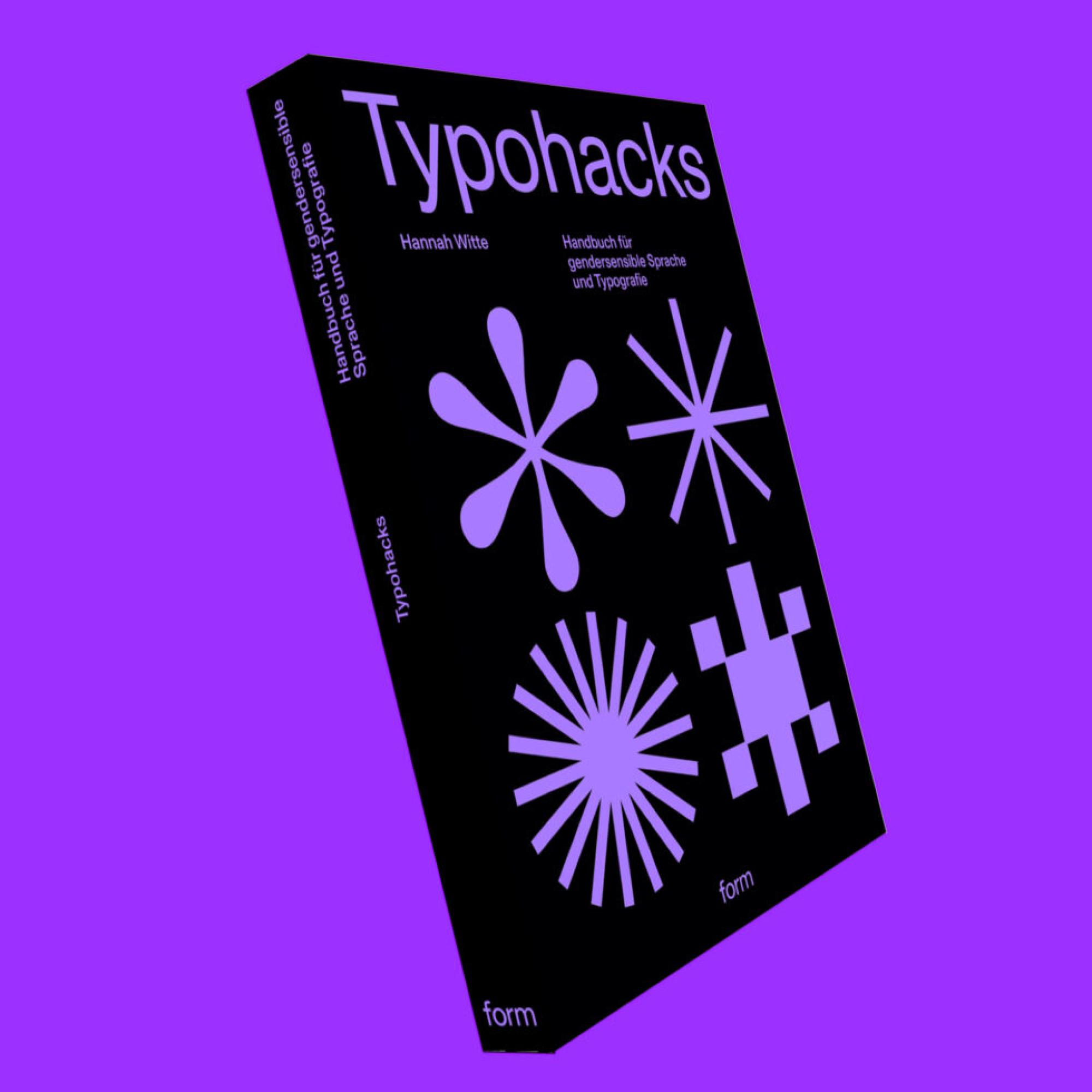
Typohacks: Gender-Sensitive Language as a Design Task
Typohacks, the handbook for gender-sensitive typography in the German language, unanimously impressed the jury due to its timely relevance. The work provides a comprehensive introduction to current methods of gender-sensitive language and the discourse surrounding non-discriminatory language practices. Viewing the use of gender-sensitive language as a creative, typographic task opens up an important and new perspective for designers. In her bachelor’s thesis, Hannah Witte takes a holistic approach to the topic: in addition to practical examples, she addresses current questions ranging from the power of language to the political responsibility of designers, thereby providing impetus for design practice as well as for the current debate.
Hannah Witte | Germany

© Laura Haensler
Winner | 2021 | Volition
Chips & Cheats: Gender on the Plate
Chips & Cheats explores the interdependent relationship between food and gender using potato chips as a case study: A six-piece cutlery set uses exaggeration to make culturally and socially conditioned eating habits and gender-specific codes visible and tangible. Laura Haensler is a freelance designer and works as a research assistant at Zurich University of the Arts. She conducts research in the field of gender and design, focusing in particular on the topic of food. As part of the LAUTE collective, she has been collaborating with composer Stephanie Haensler since 2019 on interdisciplinary projects at the intersection of contemporary music and design.
Laura Haensler | Switzerland
© Marie Dietze
Winner | 2021 | Volition
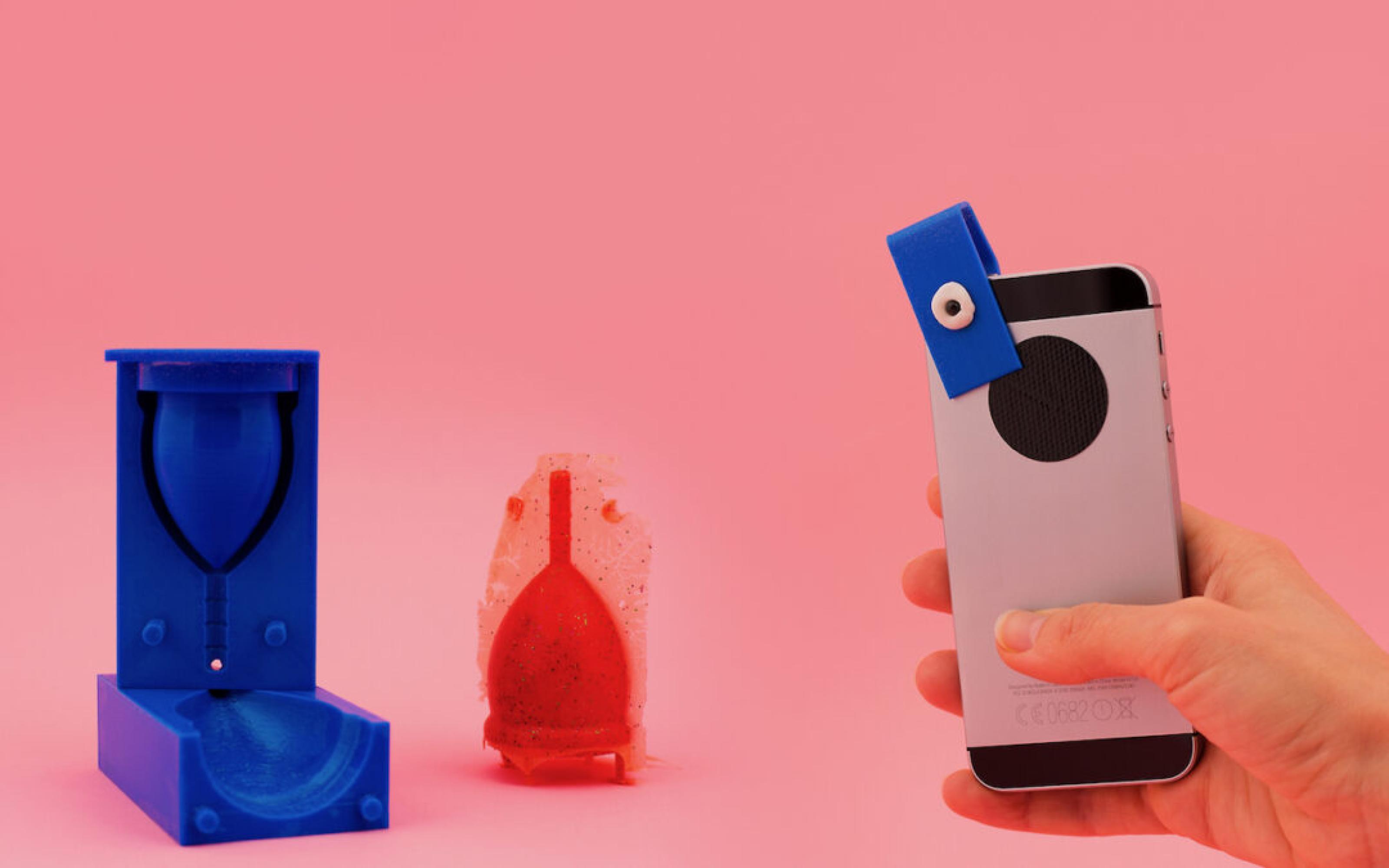
Assembling Fragments: Exploring Feminist Modes of Hacking through Design
Marie Dietze’s work engages critically and playfully with issues of design in the context of sexual health. It is not only about what is made for gender-specific bodies, but also about who is allowed to be part of this process in order to regain control over bodily data and self-knowledge. As a participatory Do-it-Together (DIT) approach, she encourages a feminist stance toward open hardware. The work opens up a space for engaging with taboo topics while simultaneously sparking debates about intimate technologies, bodily sovereignty, and design beyond essentialist gender norms. Design as feminist hacking demonstrates a tactic of critical collectivity that bends the boundaries of power through the process of open-source commons-based making.
Marie Dietze | Germany
© finally.
Winner | 2023 | Evolution
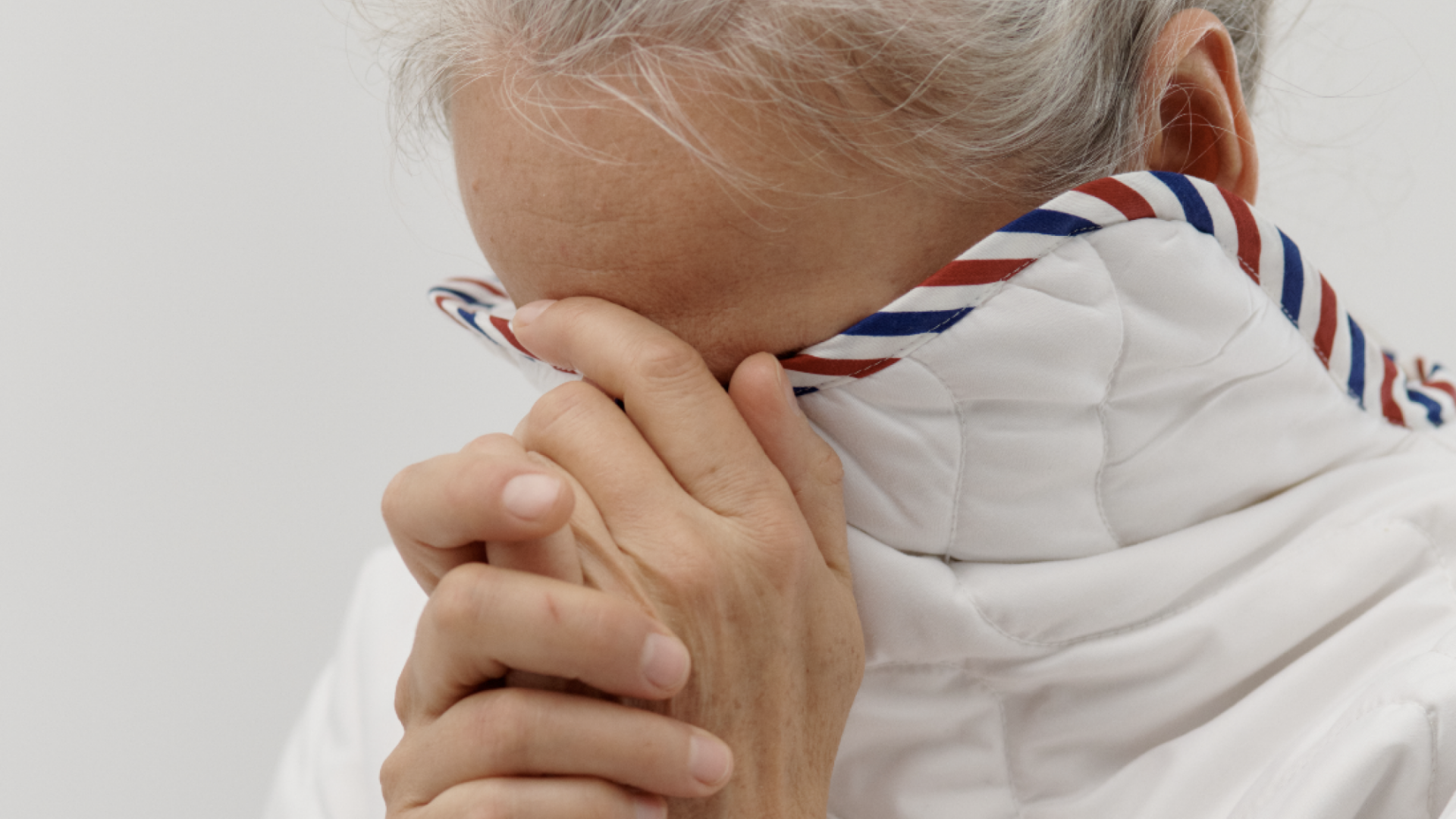
Design for people nearing the end of their lives: finally.
Designer and design professor Bitten Stetter studied the needs of the dying, their loved ones, and caregivers in palliative care, and developed the brand finally. based on her findings. The collection includes thoughtfully designed everyday objects such as tableware, textiles, and storage items intended to offer people in the final phase of life greater comfort, orientation, and self-determination. Through intensive participatory research, Stetter identified previously overlooked design areas surrounding dying and death and created products with a warm, accessible, and dignified design language. The jury particularly commended the sensitive handling of a socially taboo topic, as well as the work’s contribution to improving the well-being of those affected and their loved ones. In doing so, the project closes a gender-specific gap by finally recognizing nursing and care work—areas that have traditionally been underrepresented—as a central and valued part of design.
Bitten Stetter | finally. | Switzerland
© Elvira
Winner | 2023 | Revolution
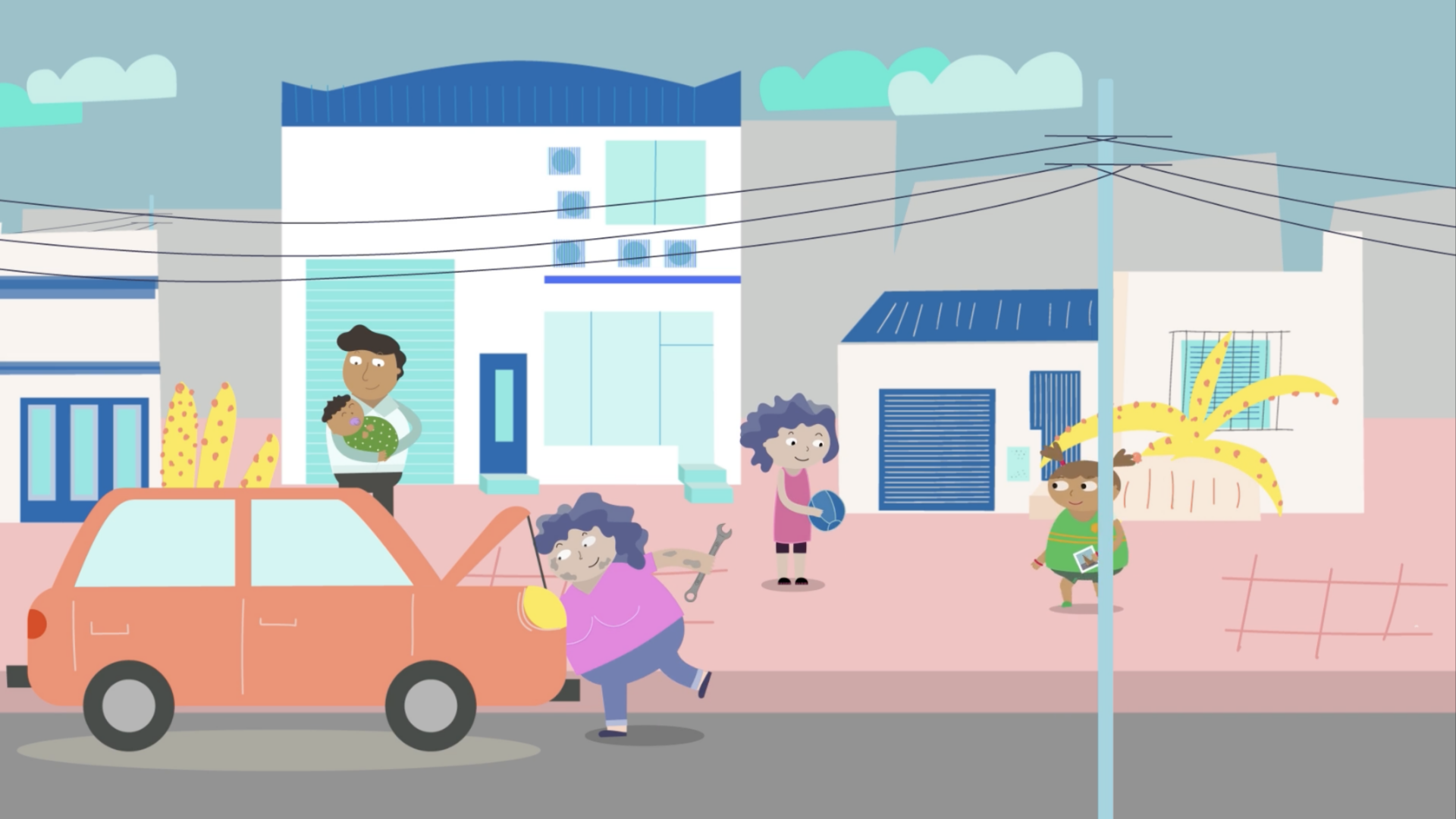
Elvira: The Politically Driven Transformative Power of Design
The Argentine children’s series Elvira introduces children to the diversity of human identities in a playful and empathetic way, encouraging them not to let gender stereotypes limit them. Developed by Natalia Laclau, Julia Martinez Heimann, and Ángeles Cornejo, the production combines educational value with social engagement and is supplemented by materials for parents and teachers. The jury particularly commended the bold and innovative use of design as a social and political tool. In an environment where diversity continues to struggle for recognition, Elvira sends a strong message of tolerance, gender diversity, and social inclusion. For its transformative impact, the series was awarded the Gender Design Award in the “Revolution” category.
Natalia Laclau, Julia Martinez Heimann & Ángeles Cornejo | Argentina
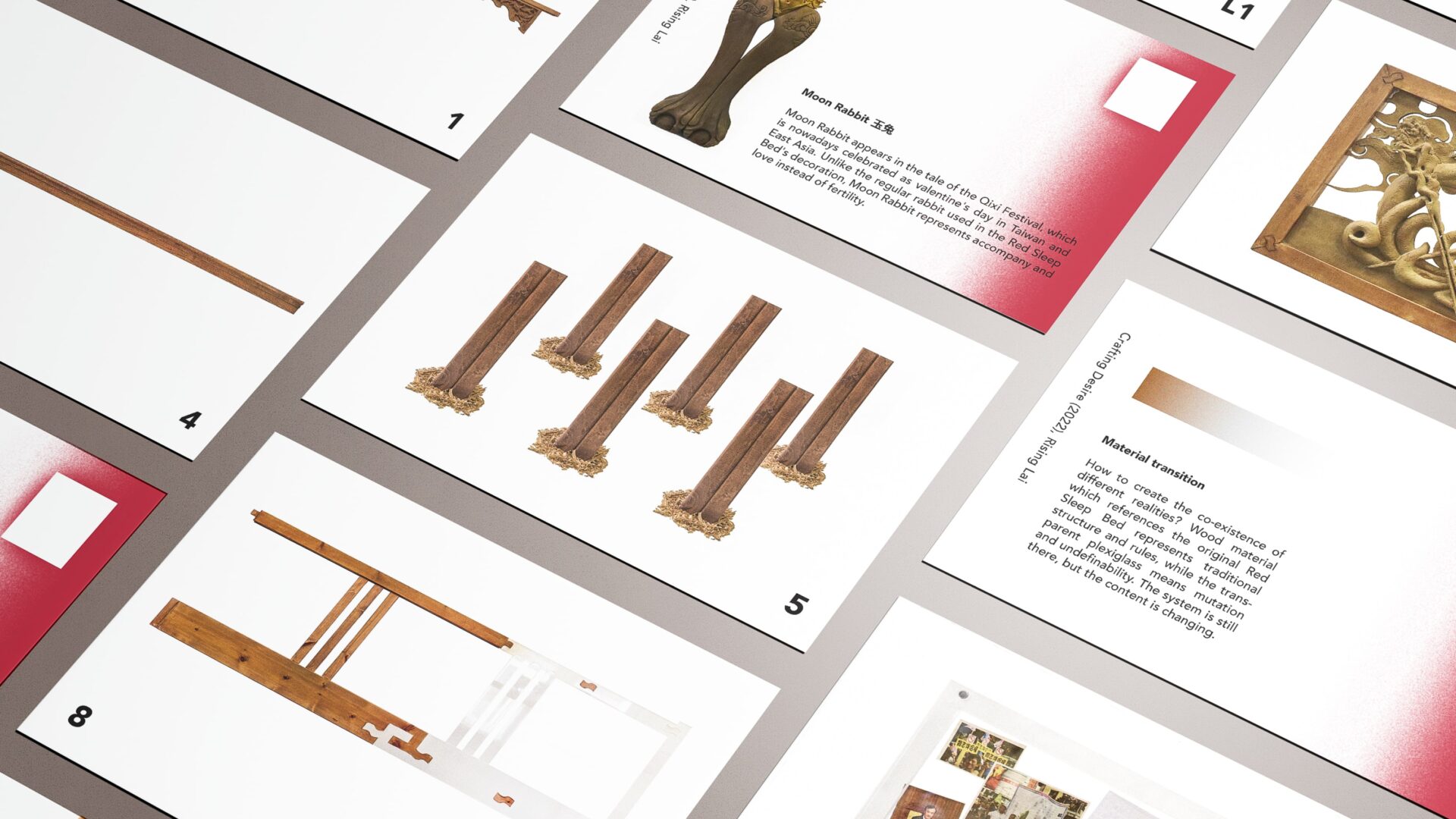
© Rising Lai
Winner | 2023 | Volition
Crafting Desire: Queering the Red Sleep Bed
In the research project “Crafting Desire: Queering the Red Sleep Bed,” Rising Lai takes up the motto “The personal is political” and, through critical making, transforms a patriarchal artifact into a symbol of gender diversity—winning the Gender Design Award in the Volition category. Lai, who trained in Taiwan (Tatung University) and at the KABK in The Hague, weaves together Taiwanese culture, queer perspectives, and an understanding of materials. The project, shown at Dutch Design Week among other venues, reveals the normative functions of the traditional “Red Sleep Bed” (dowry, roles, heteronormativity) and creates a queer legacy through reconfiguration. The curated process, the strategic perspective, as well as gender-sensitive videos and the exhibition convinced the jury.
Rising Lai |Taiwan & Belgium
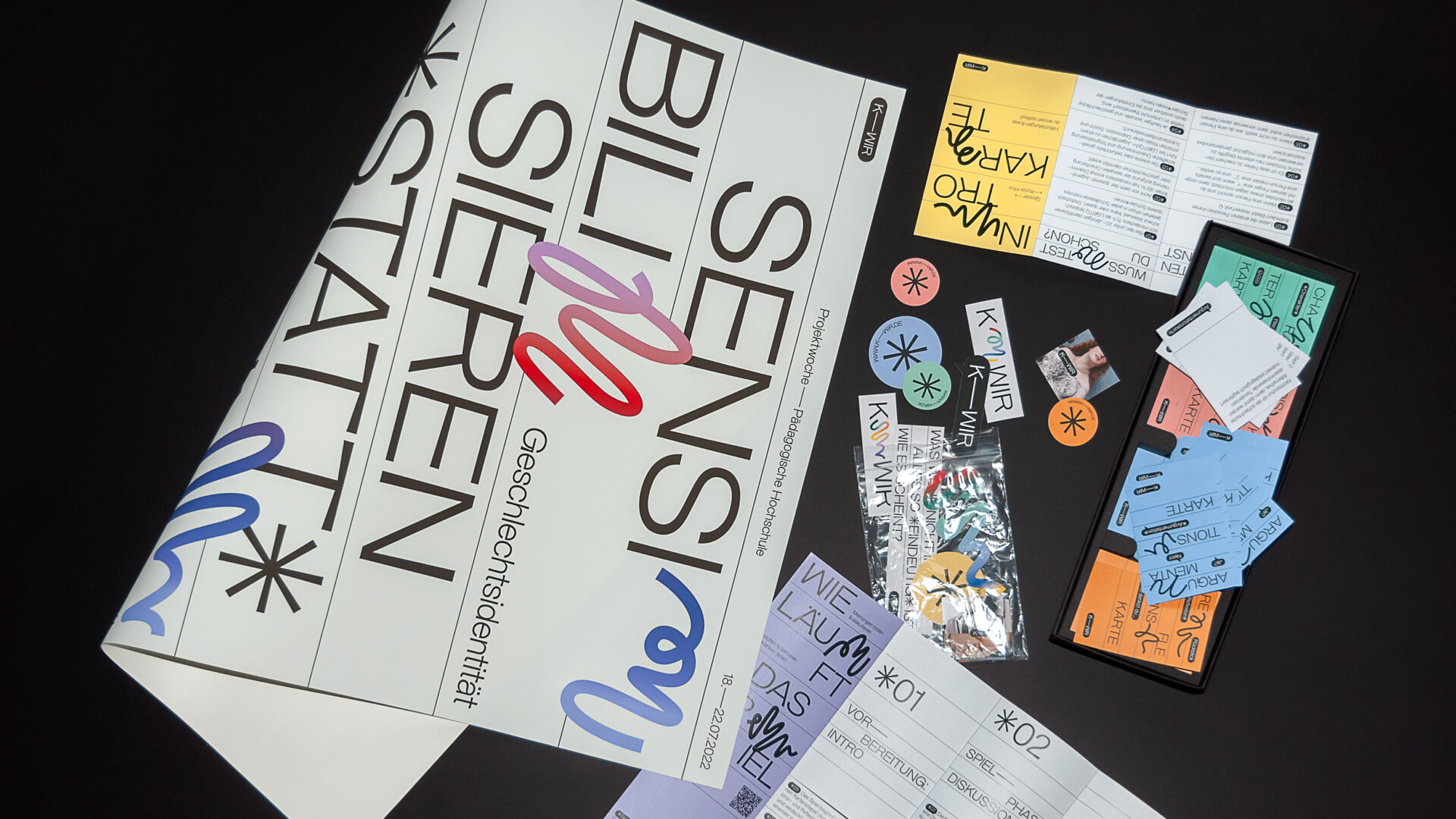
© KWIR
Winner | 2023 | Volition
K-WIR: Sex, Gender & School
In the school setting, education on gender identities and sexual diversity is often neglected. Celina Grundmann and Lasse Mieruch (HfG Schwäbisch Gmünd) are therefore focusing on raising awareness among future teachers. Their bachelor’s thesis—a holistic educational concept with a practical toolkit—received the Gender Design Award in the Volition category for its respectful, mature approach with clear benefits. The jury praised the well-founded, participatory research and the high-quality implementation of a cross-media, multi-stage concept: a series of posters, versatile stickers, a knowledge game, and a comprehensive website with materials for everyday school life. The participatory process with continuous feedback prevented blind spots. From a communication design perspective, the result impresses with open, clear typography and playful elements that come together to form a well-developed overall system.
Celina Grundmann, Lasse Mieruch | Germany
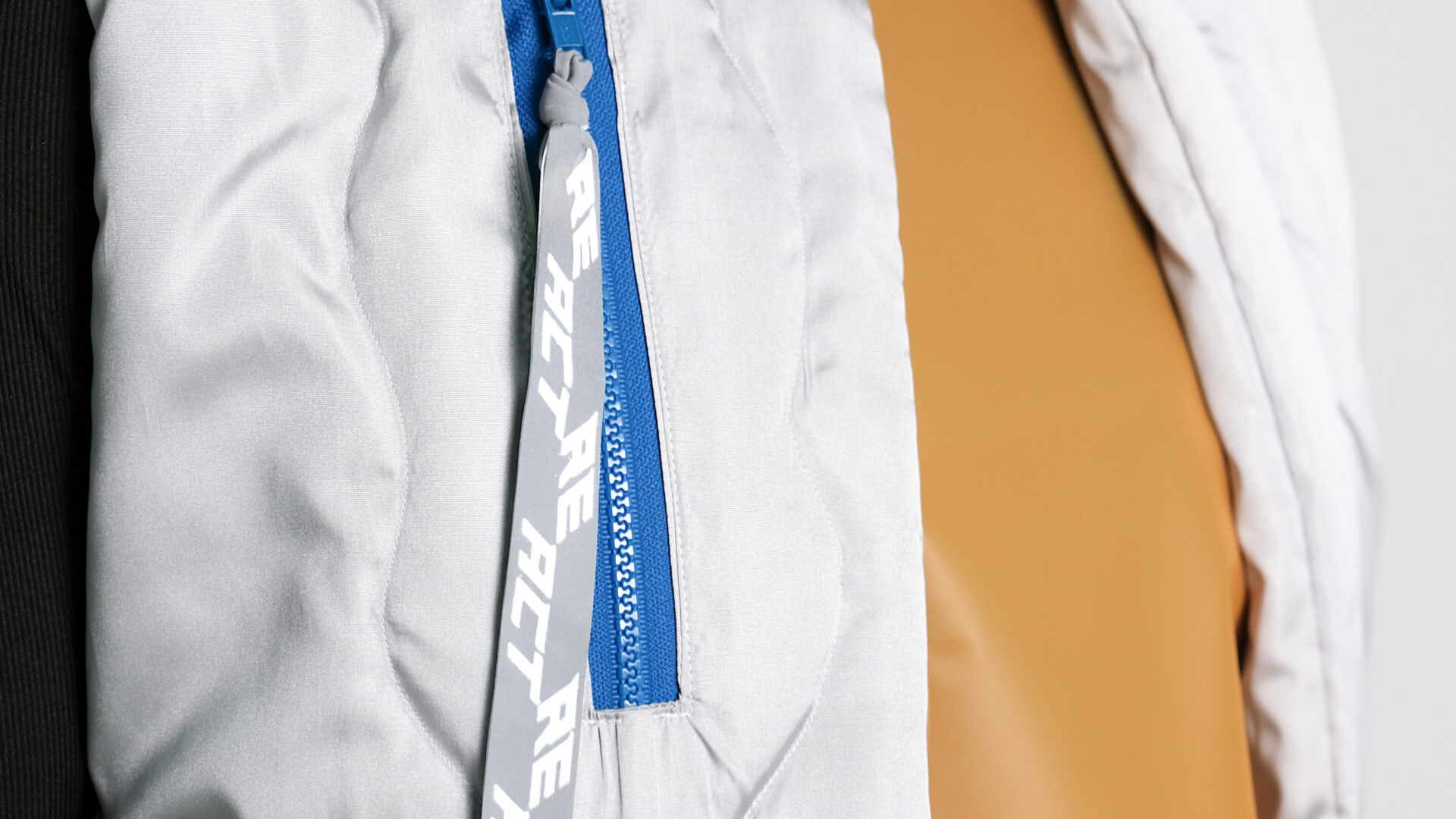
© RE ACT
Winner | 2023 | Volition
RE ACT: How Can We Design for Safety?
How can design create spaces for reflection and discourse? In their bachelor’s thesis, Swiss industrial designers Ava Toyloy and Eileen Good (ZHdK) use the fictional brand RE ACT—featuring self-defense wearables—to explore safety against assaults in public spaces. RE ACT stages a mock online store featuring products like the “RE-PUSH” safety vest—sporty and discreet, with a loud deterrent mechanism and the slogan “Don’t be scared, be safe.” Clicking “Buy” brings up the question: “Can safety be bought?”—revealing the project’s speculative intent. The project demonstrates how speculative design sparks dialogue through provocative artifacts and makes alternative solutions conceivable. The jury recognized the strength of the concept, the design, and the critical thinking—awarded the Gender Design Award in the Volition category.
Ava Toyloy, Eileen Good | Switzerland
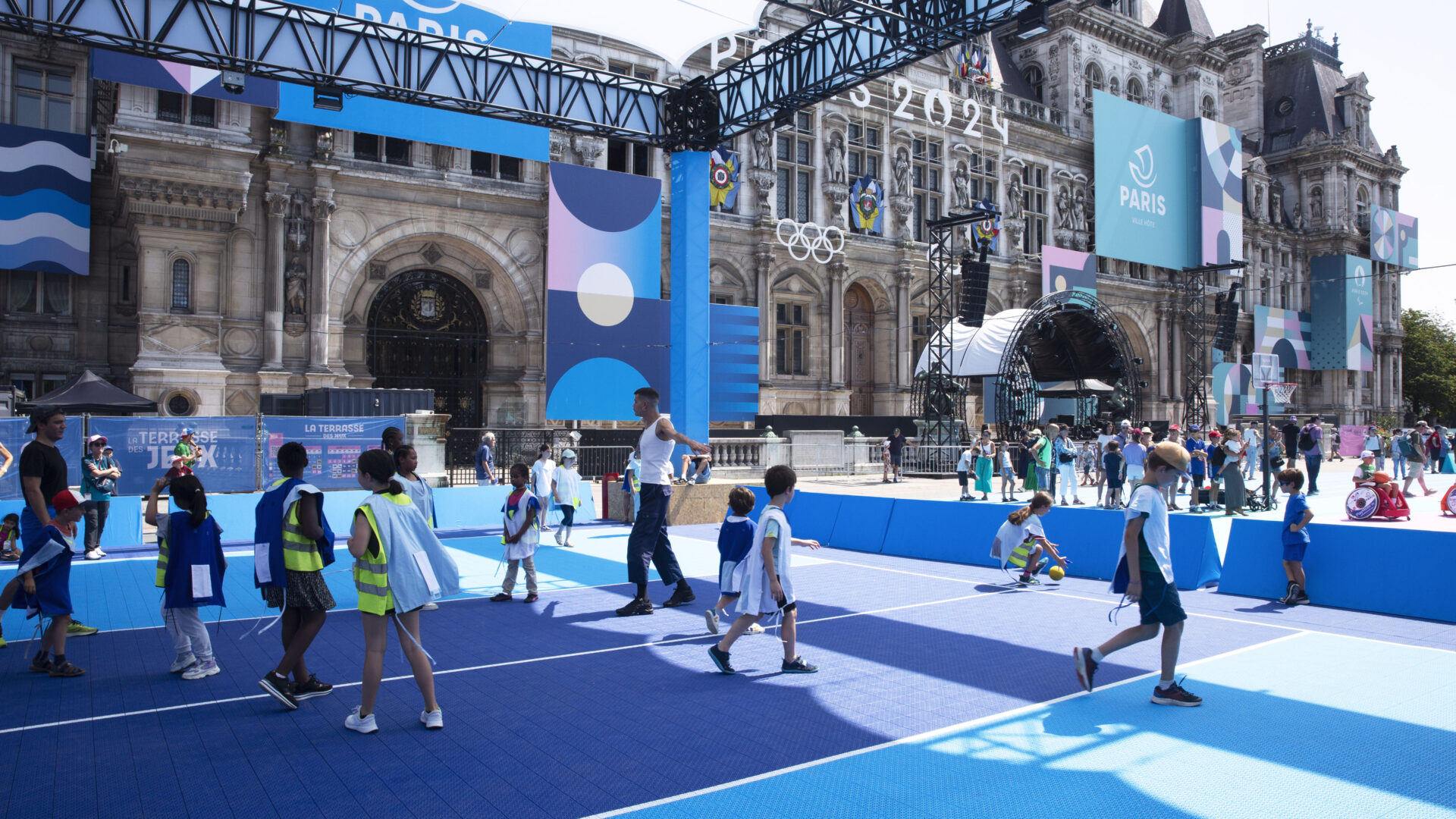
© Gabriel Fontana
Winner | 2025 | Evolution
Designing Sports for Change: Innovative Team Sports for Social Change
Queer people grow up under rules that weren’t made for them. Gabriel Fontana responds by reimagining sports from the outside in: alternative team sports that transform competition into collaborative, inclusive practices, deconstruct group dynamics, and foster empathy. At the intersection of design, pedagogy, and choreography, he develops formats that renegotiate belonging and catalyze social change. The iphiGenia Award Evolution honors this internationally recognized work. Collaborations with Nike, the Paris Olympics, and MoMA, as well as the strong response from European schools, demonstrate that through targeted redesign, sports can become an effective medium for diversity, equality, and solidarity.
Gabriel Fontana | France
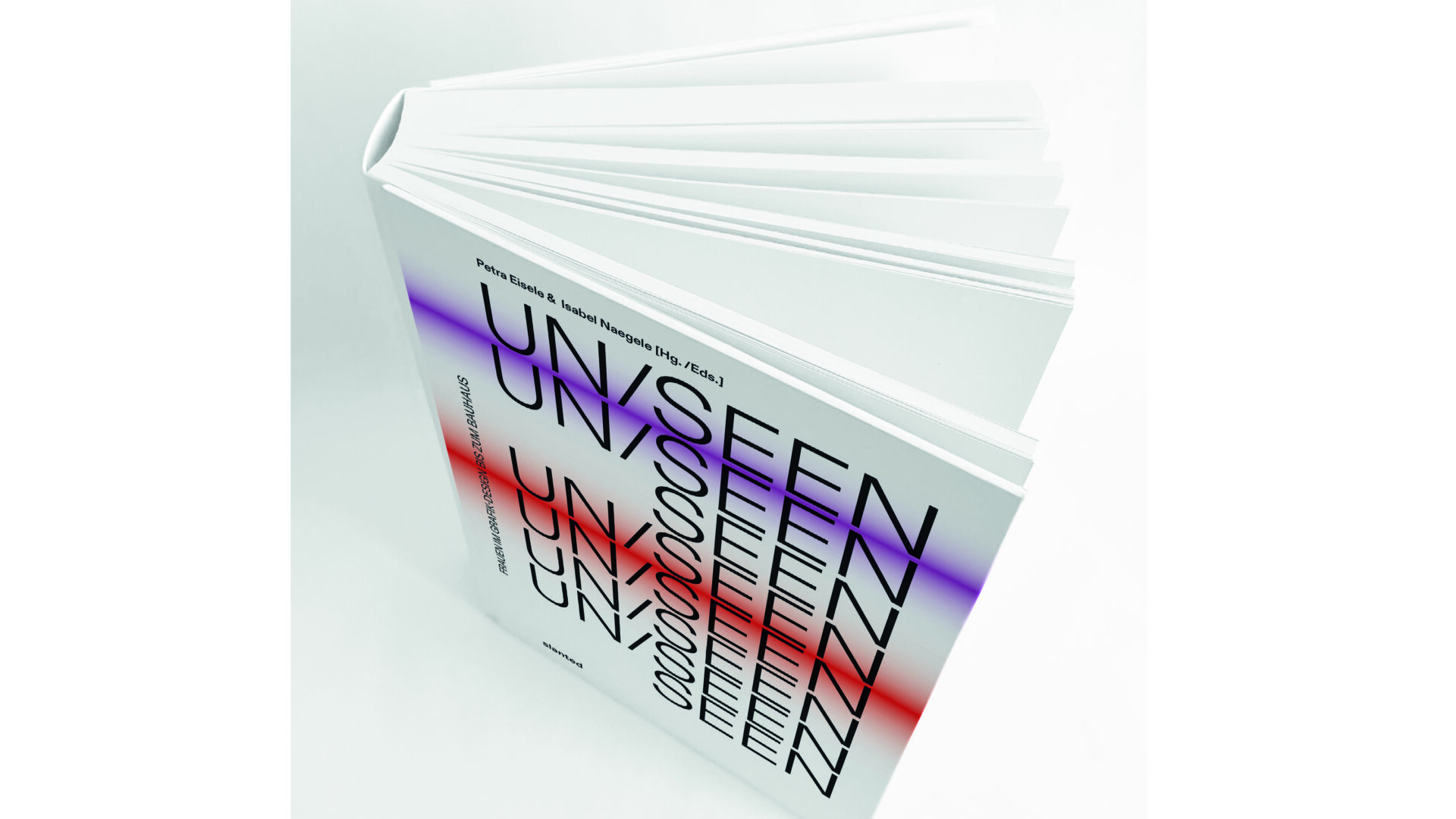
© UN/SEEN
Winner | 2025 | Revolution
UN/SEEN: Innovative Women in Graphic Design between 1865 and 1919
The pre-Bauhaus era and the significance of the “arts and crafts” movement have long been neglected in the historiography of German design. While the achievements of male figures are well documented, even fragmentary information about female designers requires extensive research. With UN/SEEN, the Gutenberg Design Lab at Mainz University of Applied Sciences is now closing a significant gap and bringing women in graphic design between 1865 and 1919 into focus. Through archival work and updated Wikipedia articles, UN/SEEN makes forgotten female designers visible. The platform documents their work; a symposium featuring contemporary female typographers creates new approaches to design history and links it to current issues of equality and visibility. This highlights how a comprehensive historical perspective enables sustainable future design and how closely the past and present are interwoven in design.
UN/SEEN | Germany
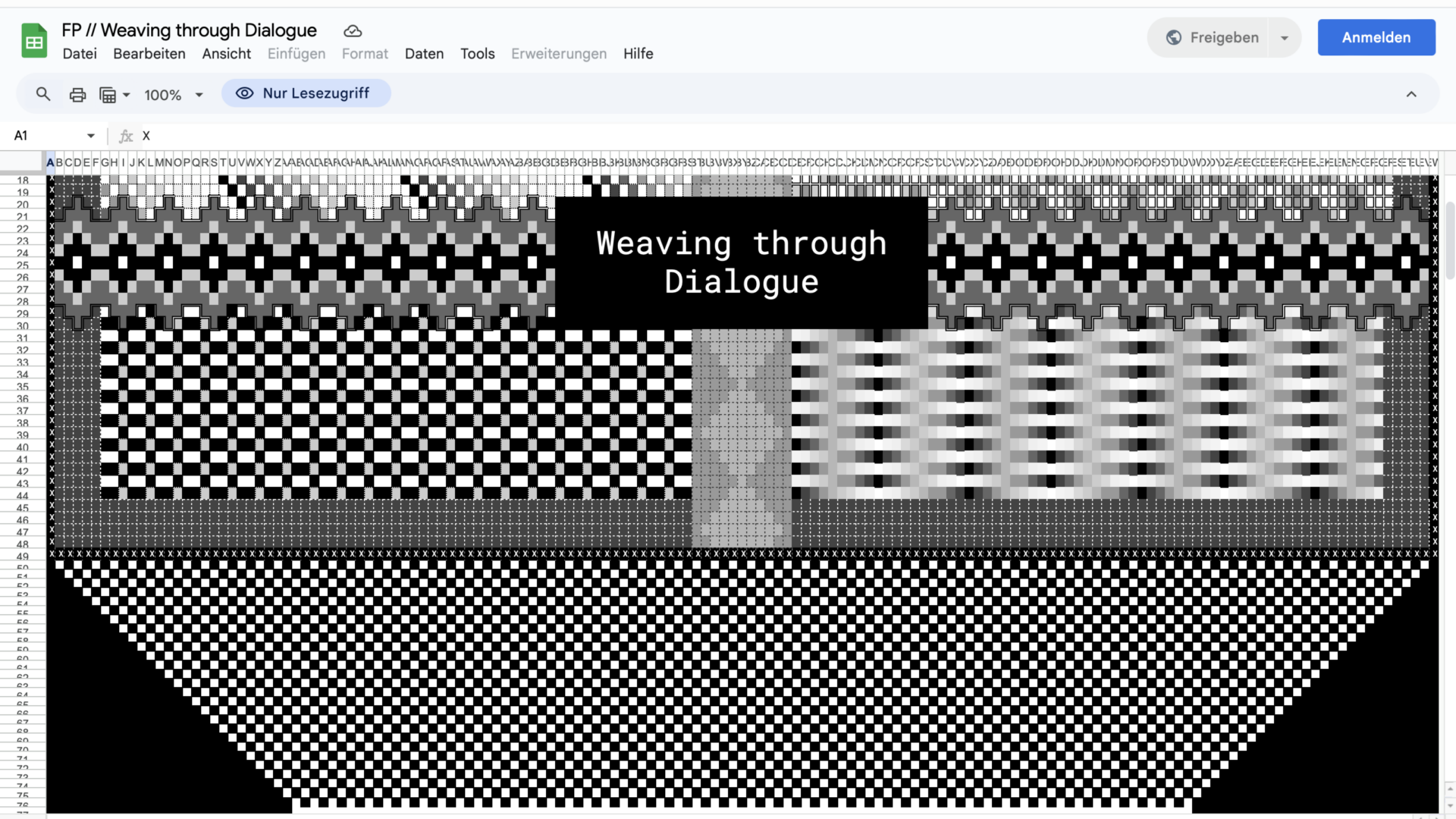
© Gabriela Parra Sánchez
Winner | 2025 | Volition
Futuras Posibles: Decolonial Design Practices
Gabriela Parra Sánchez, an artist and student in Berlin, contrasts the warmth of the Colombian Andes with the cool precision of Germany in her experimental graphic and typographic works. Drawing on her experiences of migration, she playfully and poetically challenges social conventions. Futuras Posibles, developed from a postcolonial perspective within the German higher education context, translates personal migration narratives into design practices, opens spaces for dialogue, and points the way toward the decolonization of design. The project treats migration as an ongoing negotiation of identity and belonging, connects the personal with the systemic, and makes a poetic-critical contribution to non-discriminatory design practices.
Gabriela Parra Sánchez | Colombia
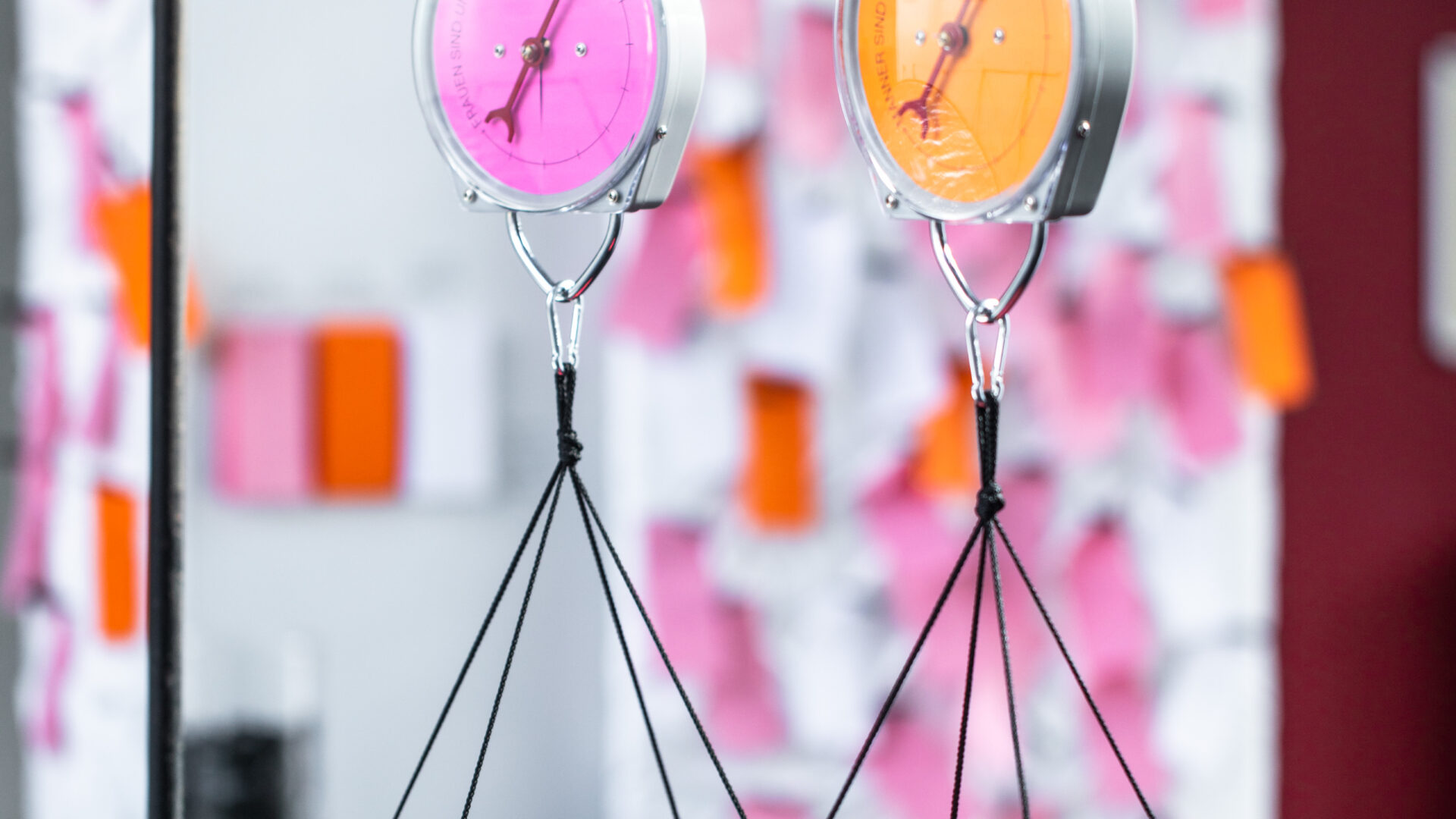
© Rowenski/Umkehrer
Winner | 2025 | Volition
SIND GLEICH DA: Feminist Intervention Design
“SIND GLEICH DA” (We'll be right there) plays on a reassuring phrase often used by parents and poses the question as a feminist intervention: Equality—are we really “right there”? Jana C. Rowenski and Magdalena Jo Umkehrer shed light on the social construction of motherhood and gender roles. At eight interactive stations, visitors’ responses are translated into visual and sensory reactions. This makes prejudices in relationships, work, and everyday life visible and allows for reflection on personal biases. The data visualizations refute the widespread assumption of equal rights: women continue to face discrimination due to data gaps, harassment, and stereotypical roles. The jury commended the outstanding translation of invisible care work into a sensory experience and the excellent, poetic use of fundamental tools of visual communication to highlight blind spots in gender equality.
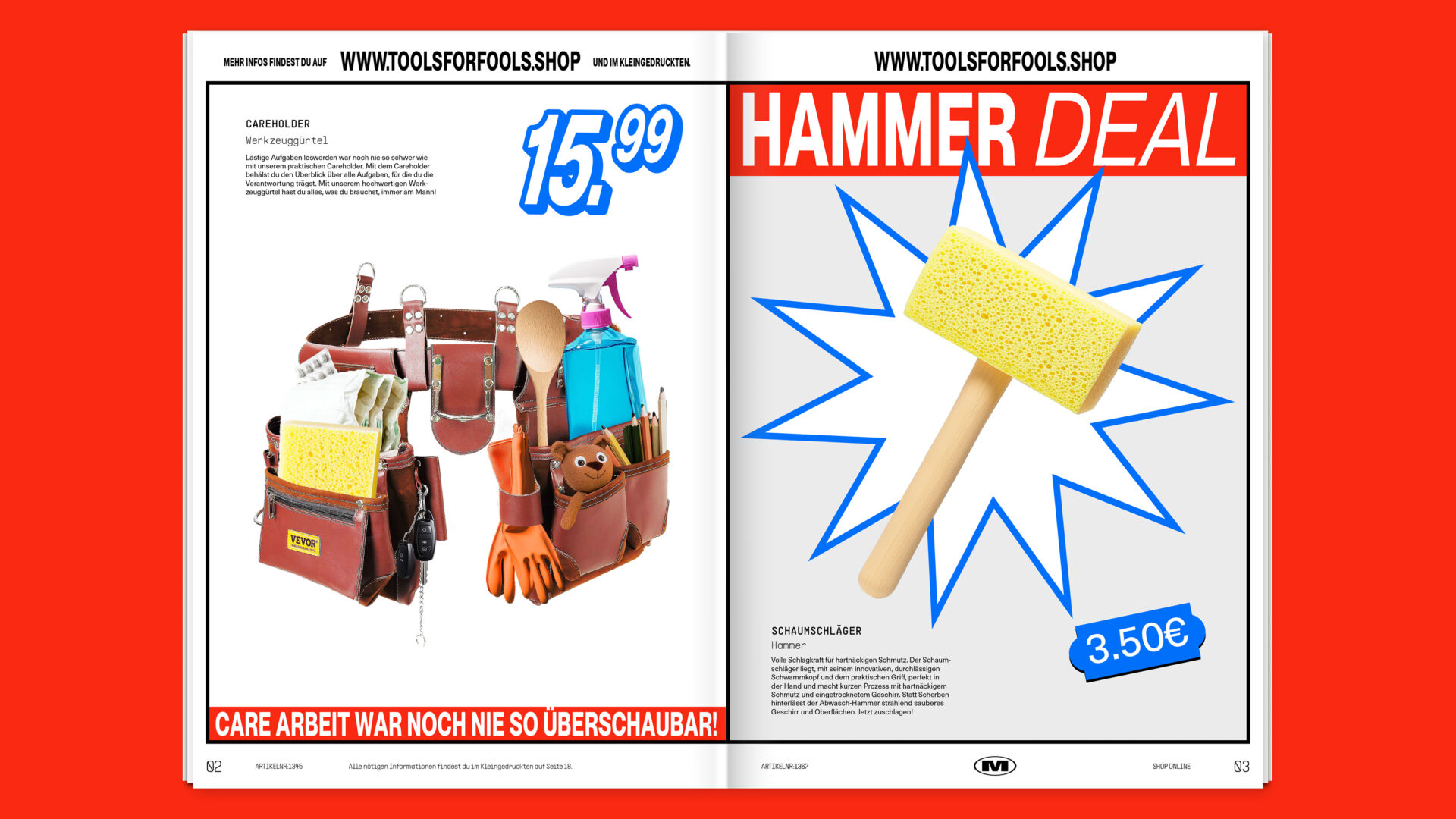
© Luisa Nickolaus
Winner | 2025 | Volition
ToolsForFools – Feminist Toolbox
Men often feel that feminism doesn’t speak to them and remain passive. Luisa Nickolaus asks: If men are “doers,” why don’t they take action against violence, misogyny, and sexism? Her bachelor’s thesis takes up the DIY ideal and develops tools that bring feminist perspectives to men. The TOOLSFORFOOLS collection masquerades as a hardware store catalog: affordable, widely accessible, and relevant to everyday life. With humor and sharpness, it challenges men to reflect on their behavior and socialization. Drawing on theory regarding socialization, stereotypes, and power dynamics, the “toolbox” becomes a precise analogy: instead of old role models, new tools for responsibility and reflection. The work demonstrates how gender-sensitive design makes cultural codes visible, can deconstruct role models, and motivates men to help shape equality—a playfully incisive statement that convinced the jury.
Luisa Nickolaus | Germany